Fancy Sapphire and Phenomenal Corundum: Padparadscha, Stars, Color Change — and the Diffusion Scandal
Two clients, one skill
The first client wants a padparadscha sapphire for her twentieth anniversary. She has found one online at roughly a quarter of your price, complete with a certificate from a laboratory you have never heard of.
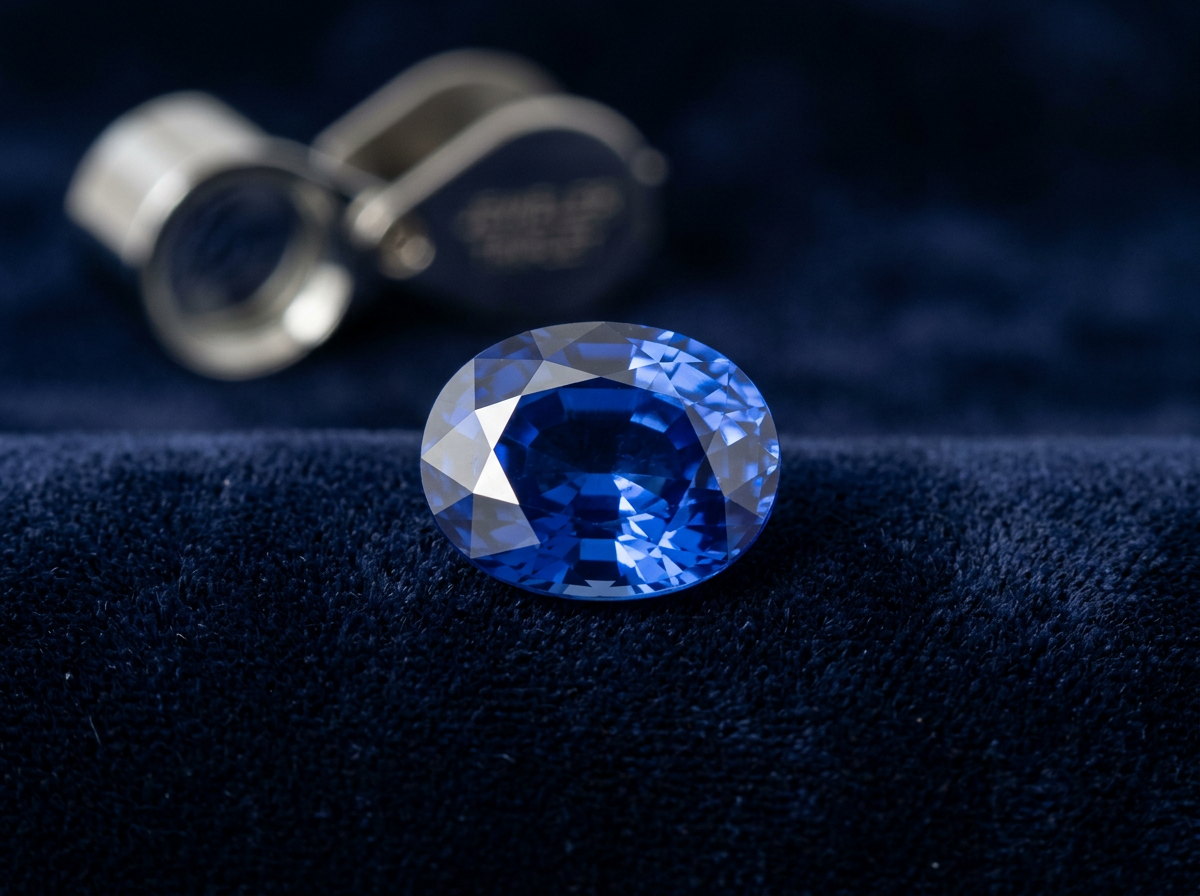
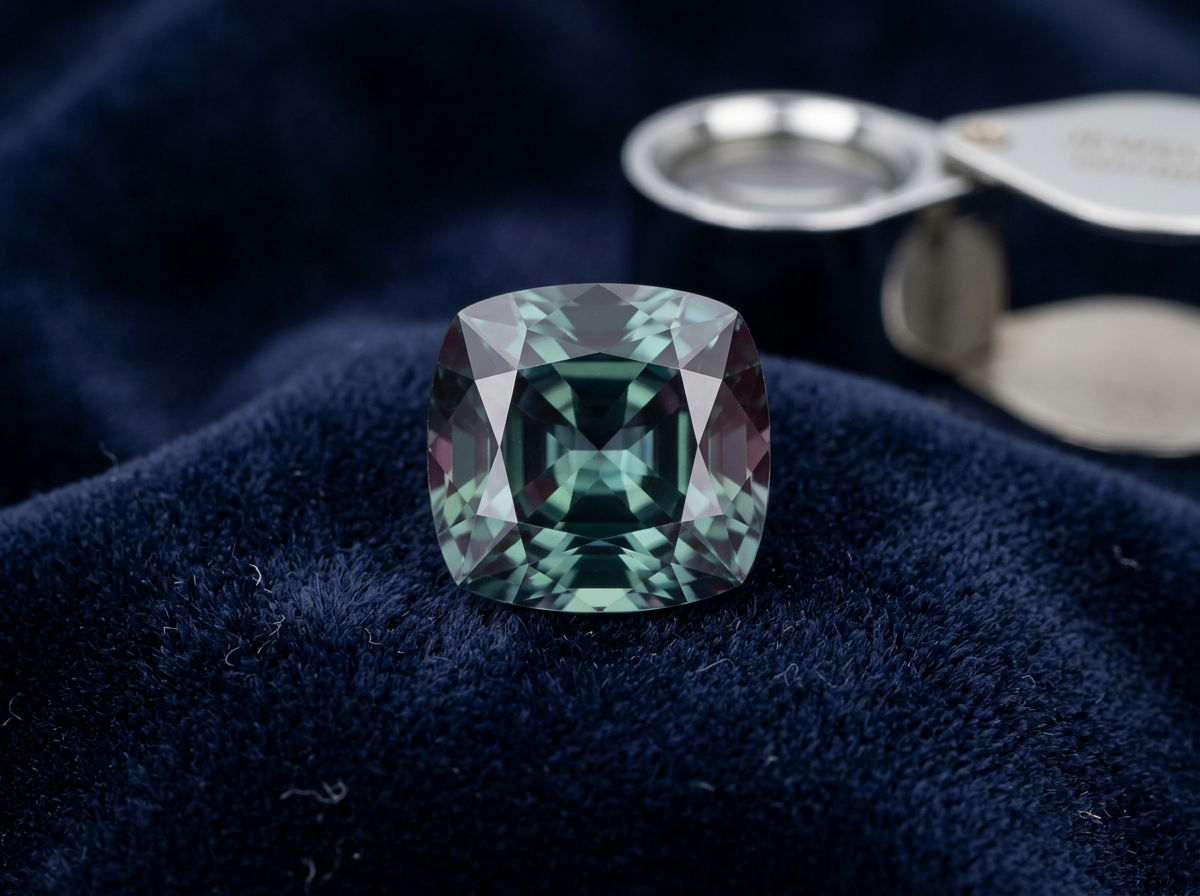
The second wants to put a white sapphire in an engagement ring instead of a diamond, to save money, and wants to know what she is giving up.
These look like unrelated conversations. They are the same conversation. Both hinge on knowing which fancy-corundum claims are ordinary commercial facts and which have to be settled in a laboratory — because fancy sapphire is where the trade’s treatment problems concentrate. The colors that command the biggest premiums in fancy corundum — vivid orange, intense pink, padparadscha — are precisely the colors that modern diffusion treatment can manufacture.
What “fancy” means, and what causes each color
Fancy sapphire is any corundum that is not red (that is ruby) and not blue. It is a trade convenience, not a mineralogical category — there is no mineral species called “fancy sapphire.” What makes it useful to learn properly is that each color has a different cause, and the cause tells you which treatments are plausible.
| Color | Cause | Notes you can use |
|---|---|---|
| Pink | Cr³⁺ at lower concentration than in ruby | The ruby/pink-sapphire line is a tone and saturation judgment, not a chemistry change — which is exactly why it is contested |
| Padparadscha (pinkish-orange to orange-pink) | Cr + Fe together, in some stones with color centers | The most argued-about name in corundum |
| Yellow | Fe³⁺, and/or color centers | Some yellow is unstable — see the treatment section |
| Orange | Cr + Fe | The highest diffusion-risk color |
| Green | Yellow (Fe³⁺) plus blue (Fe²⁺–Ti⁴⁺) in the same stone | Green is a blend, which is why it is so often “a bit brownish” |
| Purple / violet | Cr + Fe, sometimes with vanadium | |
| Colorless (white) | No chromophores at all — just Al₂O₃ | A legitimately different product from diamond, and a poor stand-in for it |
| Color-change | Chromium with vanadium | Daylight vs incandescent shift; most commercial material is synthetic |
| Black | Abundance of dark inclusions (hematite, ilmenite), not a chromophore | Opaque; used in men’s jewelry and bead work |
| Parti / teal | Color zoning from changing chemistry during growth | A modern cutting fashion, not a species |
Two of these deserve a caution. Parti-colored and teal sapphire — stones with two or more distinct color zones, often blue-green or blue-yellow — are popular right now because cutters have learned to design around the zoning rather than cut it away. They are honest, attractive, and often untreated. They are also not a species or a variety, so describe them as “parti-colored sapphire” rather than inventing a gem name.
Yellow sapphire has a stability issue worth knowing about: some yellow color in corundum is produced by color centers rather than by a stable impurity, and color centers can fade. Irradiation-produced fancy colors in corundum are generally unstable and will fade in light. If a yellow sapphire is unusually vivid and unusually cheap, treat it as a report question.
Padparadscha: the most argued-about name in corundum
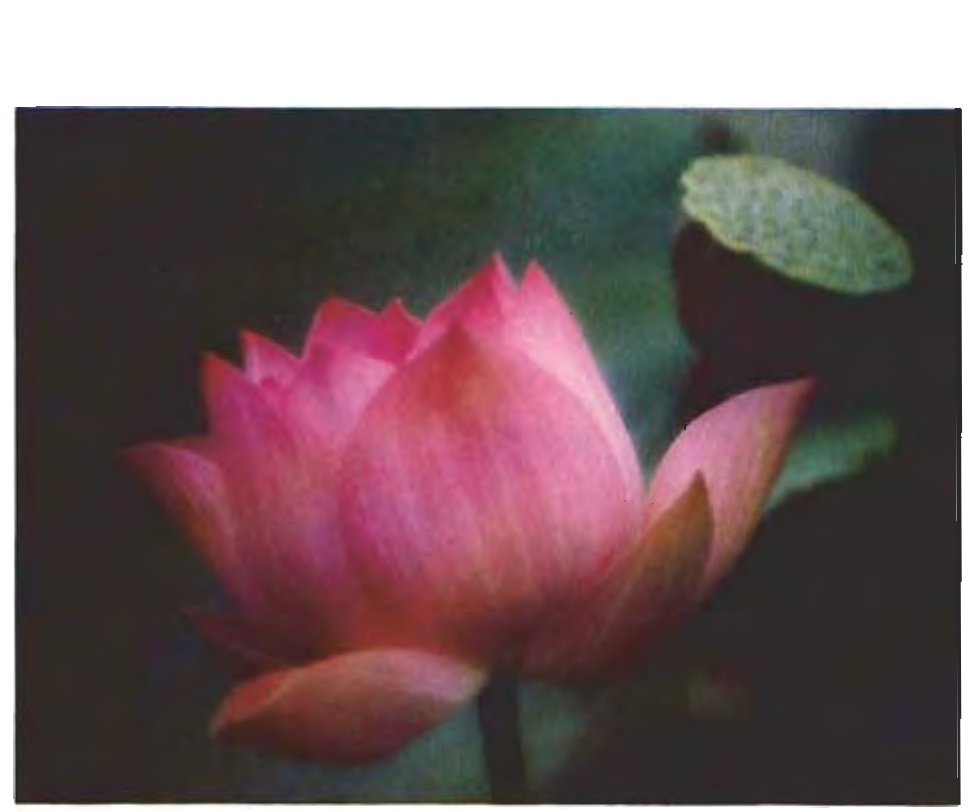
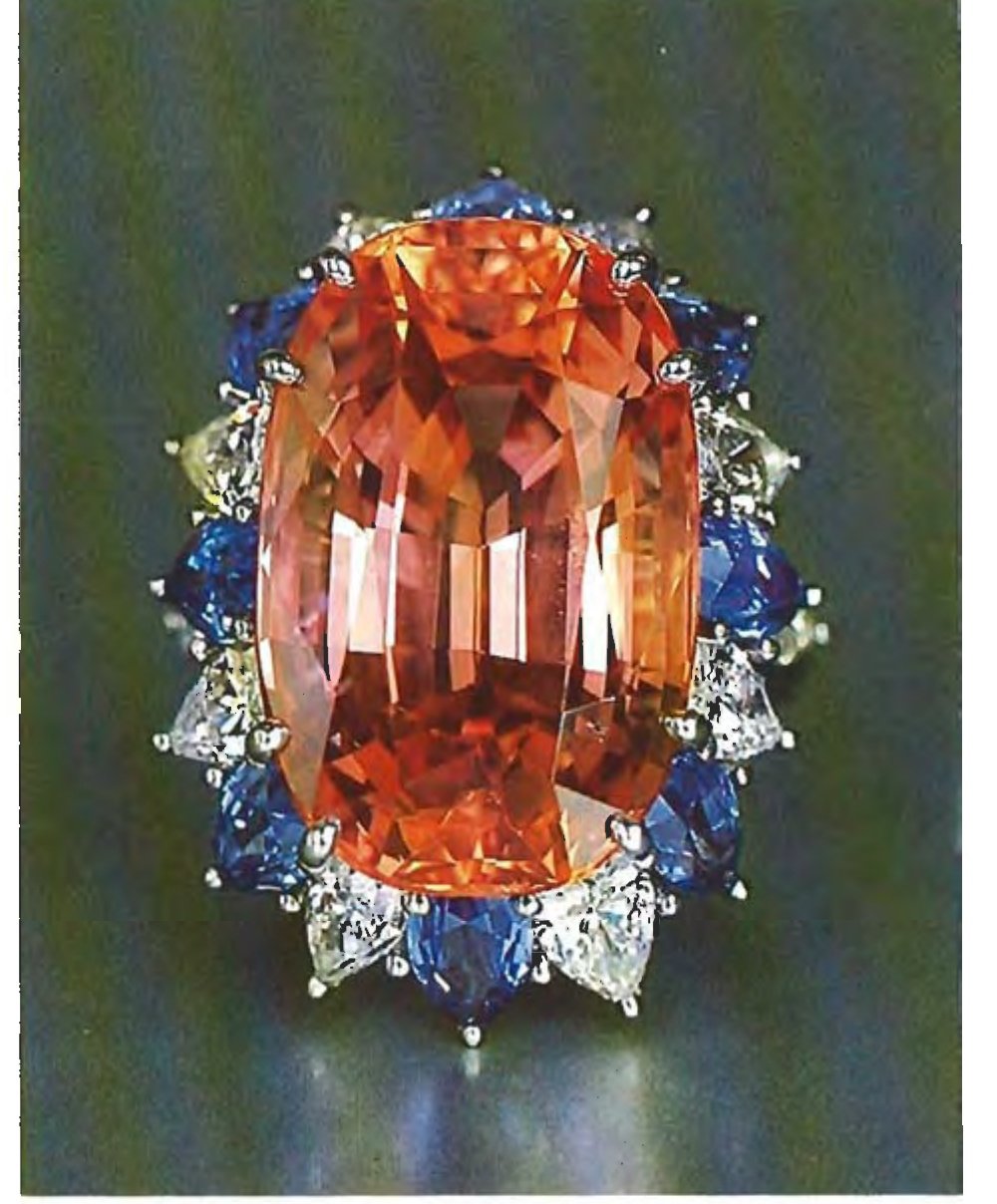
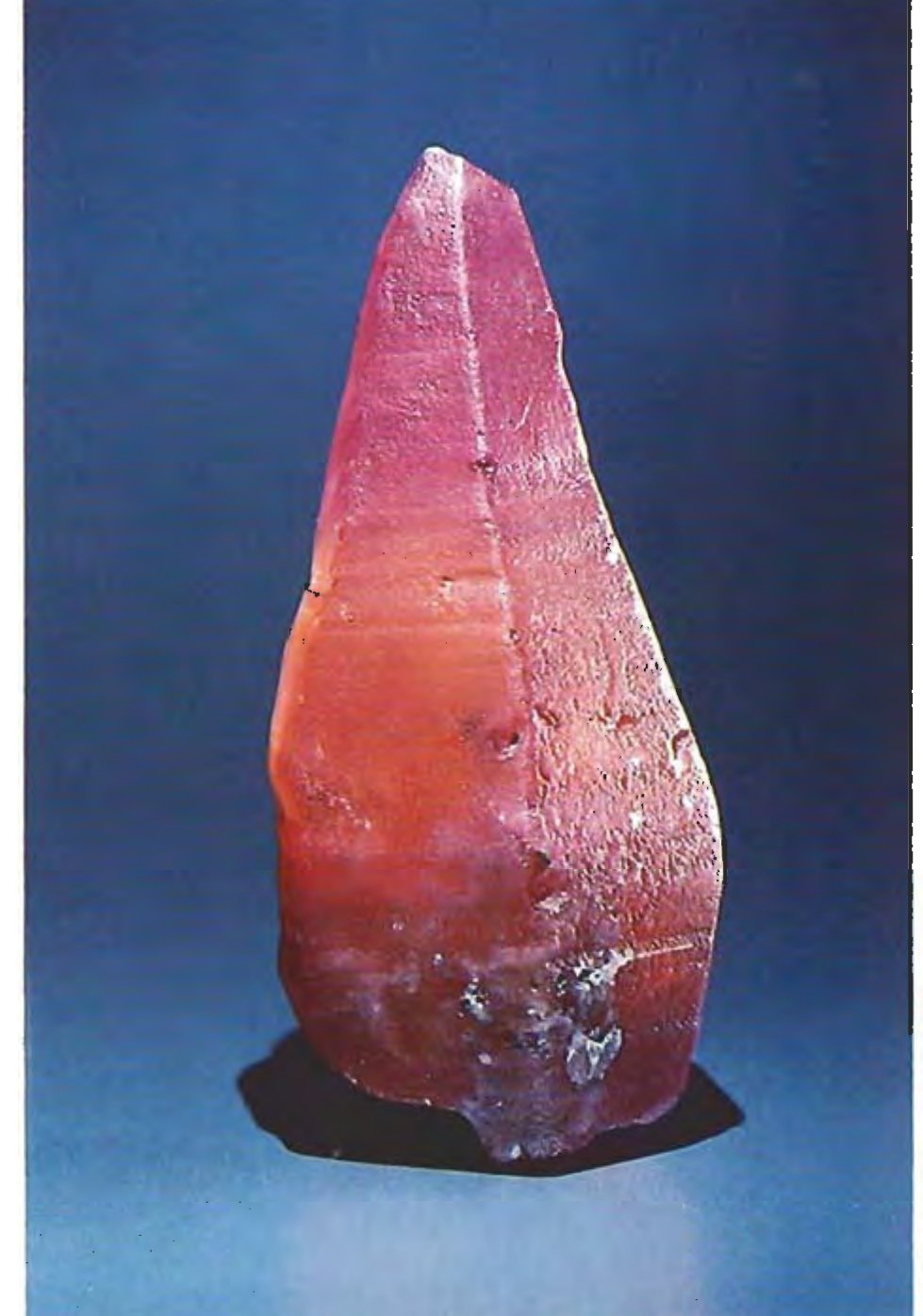
Padparadscha is a pinkish-orange to orange-pink sapphire. The word comes from the Sinhalese for lotus blossom, and it belongs to a color that sits between pink and orange with neither dominating. Traditionally it is a Sri Lankan stone; today fine material also comes from Madagascar, Vietnam and Tanzania.
The difficulty is that there is no single agreed boundary between padparadscha, “orange sapphire” and “pink sapphire,” and different laboratories apply different criteria. A stone one lab calls padparadscha, another may call orange sapphire, and both opinions can be defensible. That is not a scandal — it is what happens when a trade name describes a color range rather than a measurable property.
The practical rule that keeps you out of trouble:
Sell the stone. Document the name. If the report says padparadscha, say padparadscha. If it does not, describe the color — “a beautiful pinkish-orange sapphire” — and price it accordingly. Never attach the name on your own judgment at a premium price.
That rule also disposes of the client with the online certificate. An unfamiliar lab’s “certificate” is not a report you can rely on, and a padparadscha at a quarter of market price is a Be-diffusion candidate until a recognized lab says otherwise.
The beryllium diffusion scandal
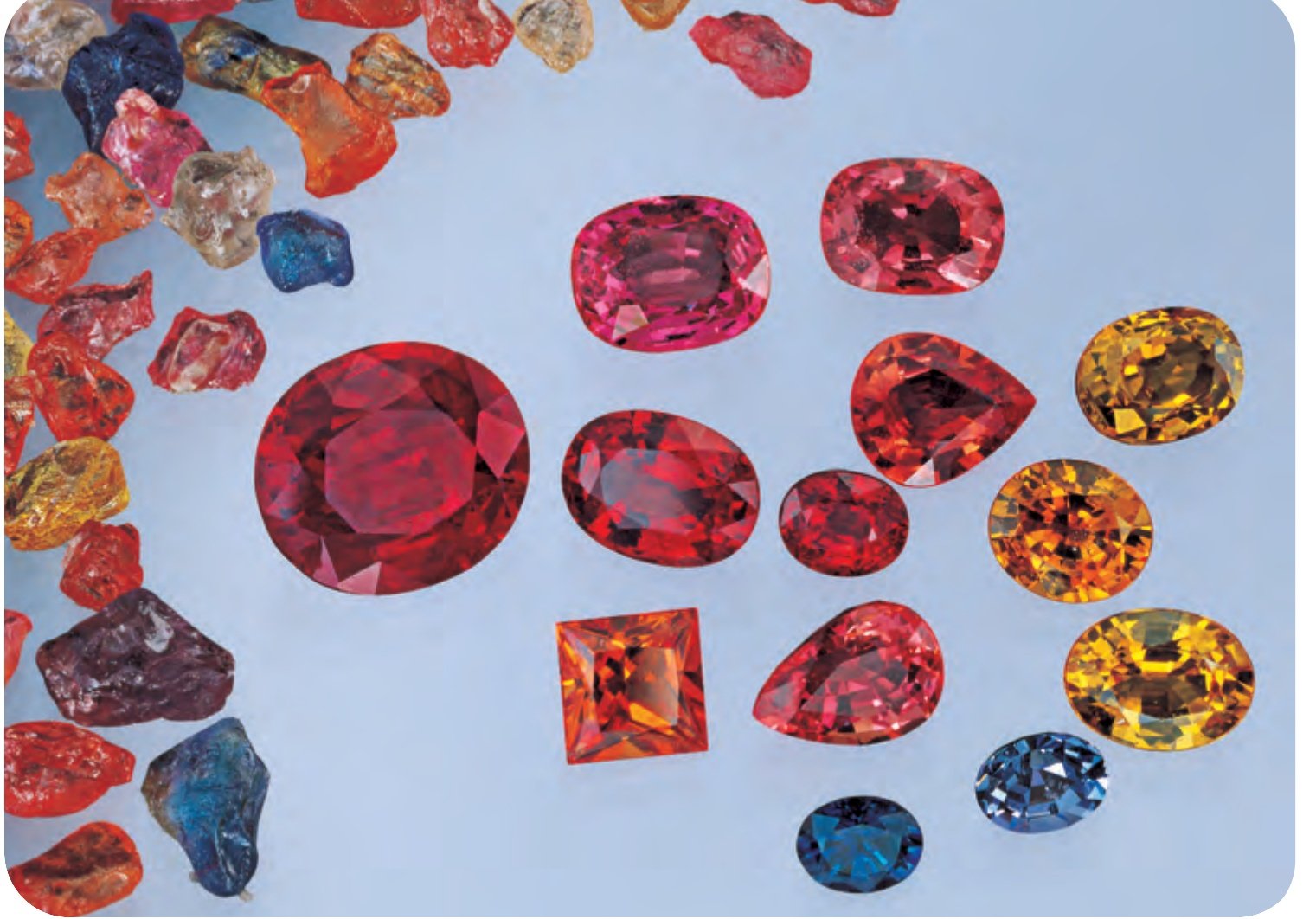
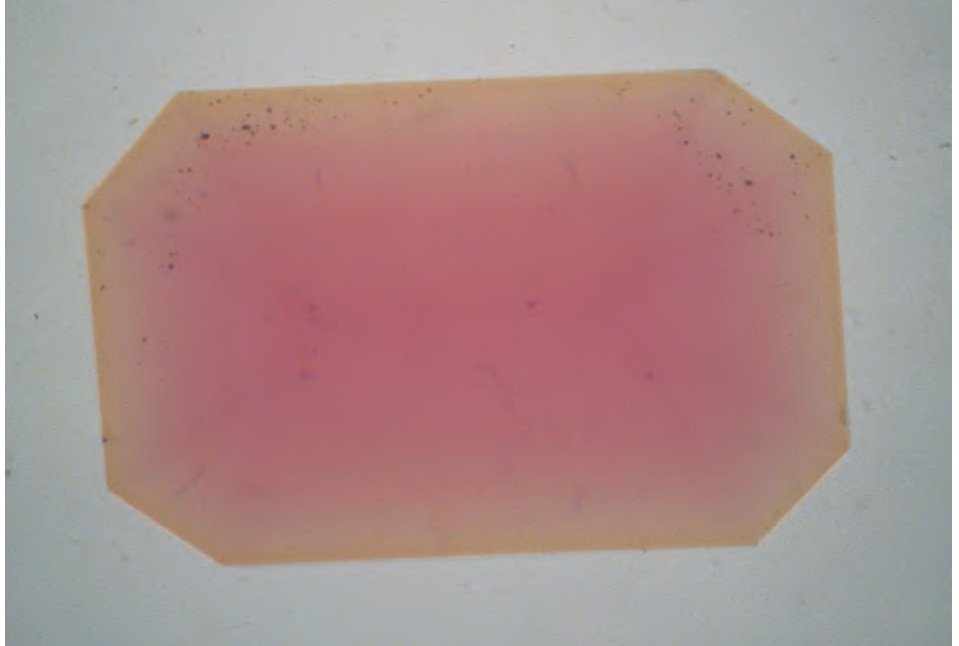
This is the most instructive episode in modern colored-stone treatment, and it is worth knowing the shape of it.
In the early 2000s, vivid orange, pink and padparadscha-colored sapphires appeared in the market in quantity, sold as natural, untreated material from Sri Lanka and elsewhere. They were attractive, they were plentiful, and they were cheap relative to what genuine fine padparadscha should have cost.
The color had been produced by lattice diffusion of beryllium. Rough corundum was heated to very high temperature — around 1800 °C — in the presence of beryllium, which is small enough to penetrate the corundum lattice all the way through the stone.
Why this was so much harder to catch than earlier treatments:
| Older titanium surface diffusion | Beryllium lattice diffusion |
|---|---|
| Produces a thin blue layer at the surface only | Penetrates the entire stone |
| Visible as color concentration at facet edges and girdle | Color is through-and-through |
| Repolishing can polish the color off | Repolishing changes nothing |
| Detectable by immersion and careful observation | No diagnostic feature at 10× |
Beryllium is too light to detect by standard X-ray fluorescence, so even a well-equipped gemological laboratory did not catch it with routine instruments. Identification required trace-element chemistry — LA-ICP-MS or LIBS. Emmett, Scarratt, McClure and colleagues published the definitive account in Gems & Gemology in 2003.
The three lessons that matter at the counter:
- A loupe cannot rule out the most consequential corundum treatment of the last thirty years. Neither can a refractometer, a microscope or a trained eye.
- The colors most at risk are the vivid oranges, pinks and padparadschas — the ones with the largest premiums.
- Disclosure is mandatory. Beryllium-treated corundum must be sold as “beryllium treated” or “lattice diffused,” never with an unqualified trade color name. The treatment is permanent, so care is normal corundum care — but the disclosure obligation is absolute, and it does not disappear because the client says she does not mind.
[MEDIA: video | C17-M13-V1]
Watch (selected section): A Gemstone’s Journey through the GIA Laboratory — GIA (GIA-CS-01), 57:21
Why here: This is the lab walkthrough that shows how identification-and-origin work is actually done, including the advanced instrumentation that separates a natural color from a diffused one. Nicole Ahline walks the intake-to-report workflow; the add-on services segment covers color calls such as padparadscha.
https://www.youtube.com/watch?v=P5J1a3_JcTM
Phenomenal corundum: the star
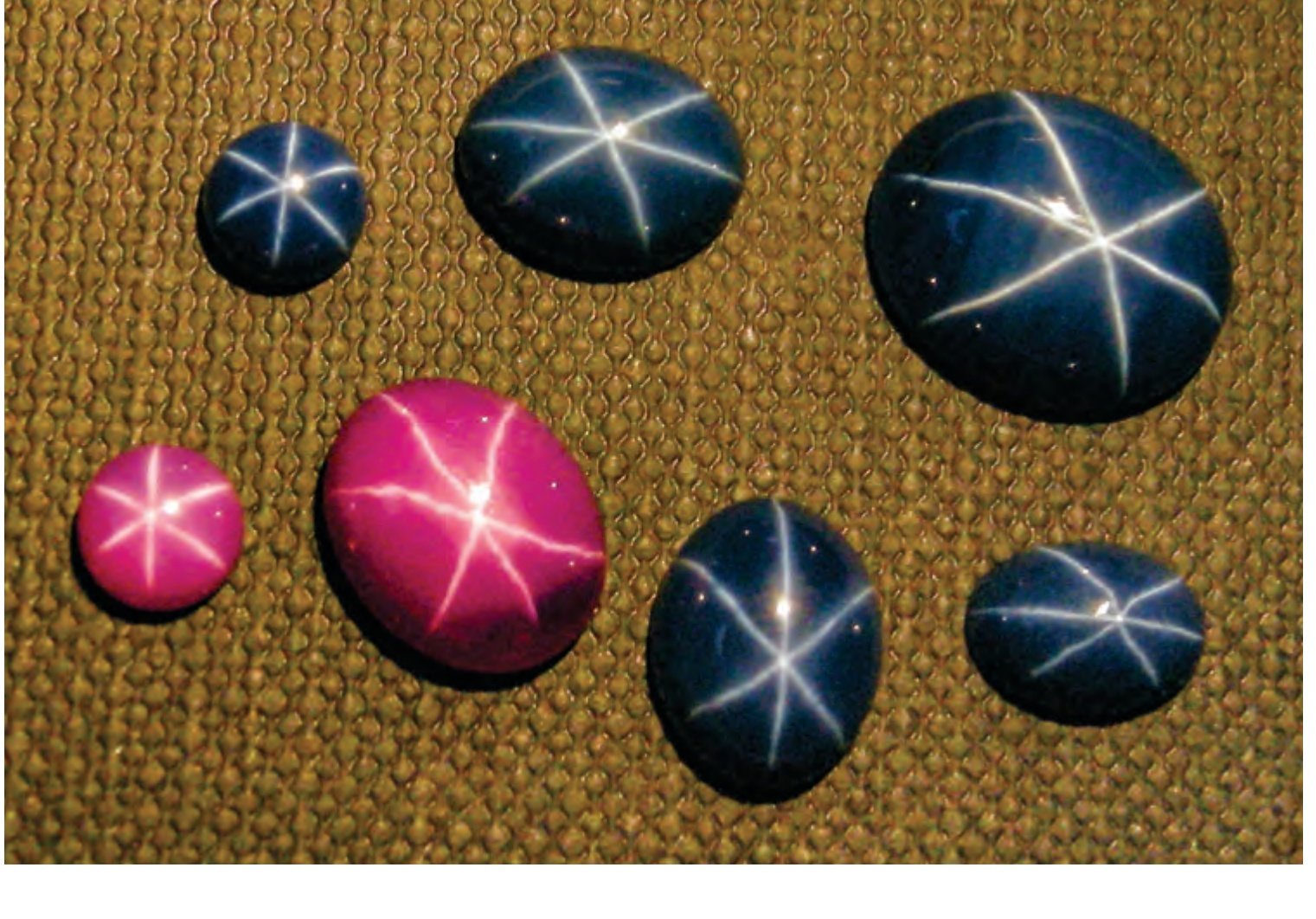
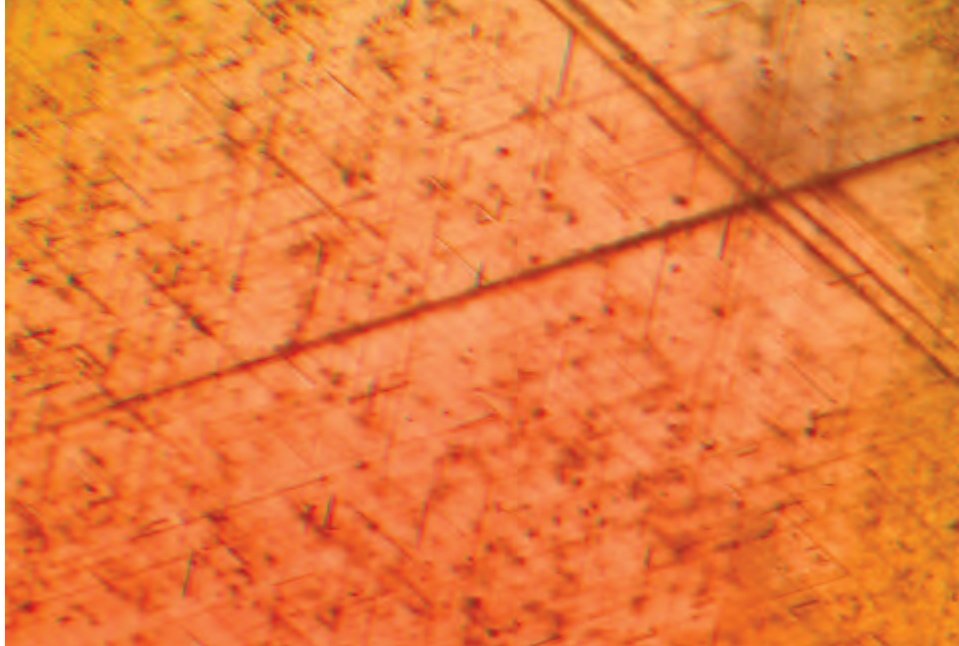
A star sapphire or star ruby shows a star of light that moves across the surface as the stone is turned. The effect is called asterism, and it is not a color phenomenon — it is a reflection phenomenon caused by inclusions.
The cause is rutile silk: densely packed, extremely fine needles of rutile that exsolve within the corundum during cooling. The needles lie in three directions at 120° to one another, within the plane perpendicular to the crystal’s c-axis. Cut a cabochon with its base parallel to that plane and light reflects off the three sets of needles as three bright bands — a six-ray star. Where two generations of silk overlap, you can get a twelve-ray star.
How to judge a star:
| Criterion | What good looks like |
|---|---|
| Sharpness | Rays are crisp, not fuzzy or broken |
| Completeness | All six rays reach the girdle |
| Centering | The star sits centered on the dome and stays roughly centered as the stone is rocked |
| Symmetry | Rays are evenly spaced and of similar length |
| Body color | Saturated and attractive — the star is only half the stone |
| Silk/transparency balance | Enough silk to make the star, not so much the stone is dead |
Here is the trade-off clients need told to them plainly: the sharpest stars usually come from stones with heavy silk, and heavy silk makes the body cloudy. A star sapphire with a razor-sharp star is often a somewhat sleepy, translucent stone; a bright, transparent sapphire usually has too little silk to star at all. Neither is wrong — but a client who expects a transparent gemmy blue stone and a perfect star is asking for two things that pull against each other.
Cut matters enormously. The cabochon must be oriented on the c-axis or the star will sit off-center or fail to appear, and a slightly high, well-proportioned dome sharpens the rays. A flat dome weakens the star; over-polishing can remove the very silk that creates it. This is also why recutting a star stone is a specialist job.
Two fraud categories to know:
- Synthetic star sapphire. Verneuil-grown corundum with titanium added produces extremely fine, extremely uniform silk and a star that reads as too perfect — razor-sharp rays, unnaturally even silk, a flat, uniform body color, and often a slightly opaque, “plastic” look. It has been common for decades.
- Diffusion-induced stars. Titanium can be diffused into the surface of corundum to create the silk layer that produces a star. Those stars are unnatural in their perfection and sit in a surface layer; the treatment must be disclosed, and synthetic star material must be called synthetic.
[MEDIA: video | C17-M13-V2]
Watch: Gems of Northern Madagascar — GIA (GIA-CS-02), 14:54
Why here: Field gemology at a source that produces enormous volumes of fancy-colored sapphire alongside blue. Useful context for where today’s pink, orange and padparadscha material actually comes from.
https://www.youtube.com/watch?v=cVs68sGjcqc
Color-change sapphire
Add vanadium to the chromium that already colors corundum and you can get a stone that changes color with the light source: typically bluish or violetish in daylight (fluorescent/LED, which is richer in blue) and reddish-purple under incandescent light. It is the same family of effect as alexandrite.
The commercial reality is blunt: most color-change sapphire on the market is synthetic. Verneuil-grown color-change material has been produced for decades as an alexandrite imitation, and it is convincing. Natural color-change sapphire exists but is not common.
The rule is the same one that keeps recurring in this course: refer before you call it natural. The difference in value between synthetic and natural color-change sapphire is large enough that a guess is not an acceptable substitute for a report.
White sapphire vs diamond: the honest comparison
Colorless corundum — white sapphire — is a real, natural, Mohs-9 gemstone and a legitimate choice for a client who wants a large natural white stone at a fraction of diamond’s price. It is also not a diamond, and a client who buys one expecting a diamond will be disappointed within a year. Say so.
| Diamond | White sapphire | |
|---|---|---|
| Mohs hardness | 10 | 9 |
| Refractive index | ~2.42 | ~1.77 |
| Dispersion (“fire”) | 0.044 | 0.018 |
| Brilliance | Very high | Noticeably lower — the look is glassier, not sparklier |
| Durability of the look | Holds polish and does not abrade in normal wear | Harder than everything except diamond, but does dull with wear as the polish abrades |
| Price (typical) | High | A small fraction of diamond at equal size |
| Best use | Center stone, engagement, heirloom everyday wear | Accents, halos, side stones, and large-look pieces on a budget |
The middle rows are the honest ones. A white sapphire will scratch-resist almost everything, but its RI is far lower than diamond’s, so it cannot produce the same brilliance or fire, and over years of wear the polish dulls in a way diamond’s does not. Presented that way, it is a good honest product for the right client. Presented as “a diamond substitute,” it is a complaint waiting to happen.
Use white sapphire for accents and halos, and for clients who want size and natural origin at a modest price and who understand the trade-off. Do not use it where the client’s real desire is the diamond look.
Value, treatment risk and buying rules
Most fancy sapphire is heated, and heating it is routine. The buying question is not “is it heated?” but “is it diffused?”
| Color / category | Typical treatment | Risk |
|---|---|---|
| Pastel pink, lavender, light blue (Sri Lanka, Madagascar, Myanmar) | Often heated; much is untreated | Low — modest premiums, modest temptation |
| Vivid orange, intense pink, padparadscha | Heat and/or Be diffusion | High — the premium colors are the diffusion targets |
| Yellow | Heat; some color-center and irradiation treatments | Moderate — and check stability |
| Parti / teal | Frequently untreated | Low |
| Green | Usually heated | Low to moderate |
| Star corundum | Heat; synthetic; diffusion-induced silk | Moderate — and the synthetic risk is the bigger one |
| Color-change | Most commercial material is synthetic | High — refer |
| White / colorless | Usually untreated | Low |
The buying rule that follows from that table, and which is worth adopting store-wide:
Anything vivid in the orange–pink–yellow range at a modest price gets a laboratory report before it gets a price. Not after. Before.
On the floor: applying it this week
- Monday (10 minutes): With a loupe and a penlight, find the silk in a star sapphire or star ruby in your inventory. Rock the stone and watch whether the star stays centered. Note whether the body is transparent or sleepy — and practice explaining that trade-off out loud.
- Tuesday (15 minutes): Read the Be-diffusion section of Emmett et al. (2003) — or at least the abstract. You should be able to say in one sentence why a loupe cannot detect it.
- Wednesday (practice): The next time you use the word padparadscha, make sure a report has used it first.
- Thursday (10 minutes): If you carry white sapphire, hold one next to a diamond of similar size under the same light. Note the difference in fire. That difference is your sales conversation.
- Friday (15 minutes): Audit every fancy sapphire in the case priced over your store’s threshold. Which have reports from recognized labs? Anything that does not goes back to “sapphire, heated” in your descriptions.
Objections, mistakes and edge cases
| Situation | The trap | Better move |
|---|---|---|
| Client found a padparadscha online at a quarter of your price | Matching it, or dismissing it as fake | “Padparadscha is the single most treated color in corundum — beryllium diffusion makes colors a loupe cannot detect. That’s why the report matters more than the photo. Let’s get it looked at.” |
| A certificate from an unfamiliar lab | Treating any printed document as a report | Recognized labs: GIA, AGL, GRS, Gübelin, SSEF, Lotus, AIGS. Anything else is a conversation, not a credential. |
| Client wants a transparent sapphire with a perfect star | Promising both | Explain the trade-off: sharp stars need heavy silk, heavy silk clouds the body. Show both and let her choose. |
| “It’s a natural star, I can tell because the star isn’t perfect.” | Using imperfection as proof | Synthetic stars can look too perfect, but plenty of natural stars are sharp too. The synthetic tells are uniform silk, uniform body color and an unnatural evenness — not sharpness alone. |
| Vivid orange sapphire at a low price | Calling it a find | It is a diffusion candidate. Report first. |
| Yellow sapphire that faded | Blaming the client | Some yellow in corundum is color-center based and is not stable. Disclose stability limits at the point of sale. |
| “White sapphire is just as good as diamond, right?” | Agreeing, to make the sale | It is harder than everything except diamond but much less brilliant, and it dulls with wear. Honest comparison is the sale. |
| Teal or parti sapphire described as a rare variety | Inventing a species | It is color-zoned sapphire, a cutting style, not a variety. “Parti-colored sapphire” is the correct phrase. |
| Color-change sapphire presented as natural | Taking it at face value | Most commercial material is synthetic. Refer. |
| “Beryllium diffusion is old news, nobody does it anymore.” | Assuming the problem went away | The treatment is permanent and disclosed material circulates for decades. The risk does not expire. |
Self-check
- What element causes pink sapphire, and how does it differ from ruby?
- What causes the color in yellow, orange and green sapphire respectively?
- What is the practical rule for using the word “padparadscha”?
- Why could beryllium diffusion not be detected with a loupe or standard XRF?
- What instrument does detect it?
- What causes asterism, and how are the needles oriented?
- Why is there a trade-off between a sharp star and a transparent body?
- What are the tells of a synthetic star sapphire?
- Why is most commercial color-change sapphire synthetic?
- What is the honest comparison between white sapphire and diamond, in one sentence?
Go deeper
- ★ Emmett J.L., Scarratt K., McClure S.F. et al. (2003) Beryllium Diffusion of Ruby and Sapphire. G&G 39:2 — https://www.gia.edu/gems-gemology/summer-2003-beryllium-diffusion-ruby-sapphire-emmett — the anchor paper for this module; 35 minutes.
- ★ Emmett J.L., Douthit T.R. (1993) Heat Treating the Sapphires of Rock Creek. G&G 29:4 — https://www.gia.edu/gems-gemology/winter-1993-heat-treating-sapphires-emmett
- ★ Nassau K. (1984) The Early History of Gemstone Treatments. G&G 20:1 — https://www.gia.edu/gems-gemology/spring-1984-gem-treatment-nassau
- G&G Micro-World entries on rutile silk, stars and boehmite needles — https://www.gia.edu/gems-gemology
- GIA Colored Stone Reports — https://www.gia.edu/colored-stone-reports — padparadscha color calls and add-on services.
- Video: A Gemstone’s Journey through the GIA Laboratory (GIA-CS-01) — 57:21, linked above.
- Video: Gems of Northern Madagascar (GIA-CS-02) — 14:54, linked above.