Presenting a Piece: Feature, Benefit, Emotion, Story

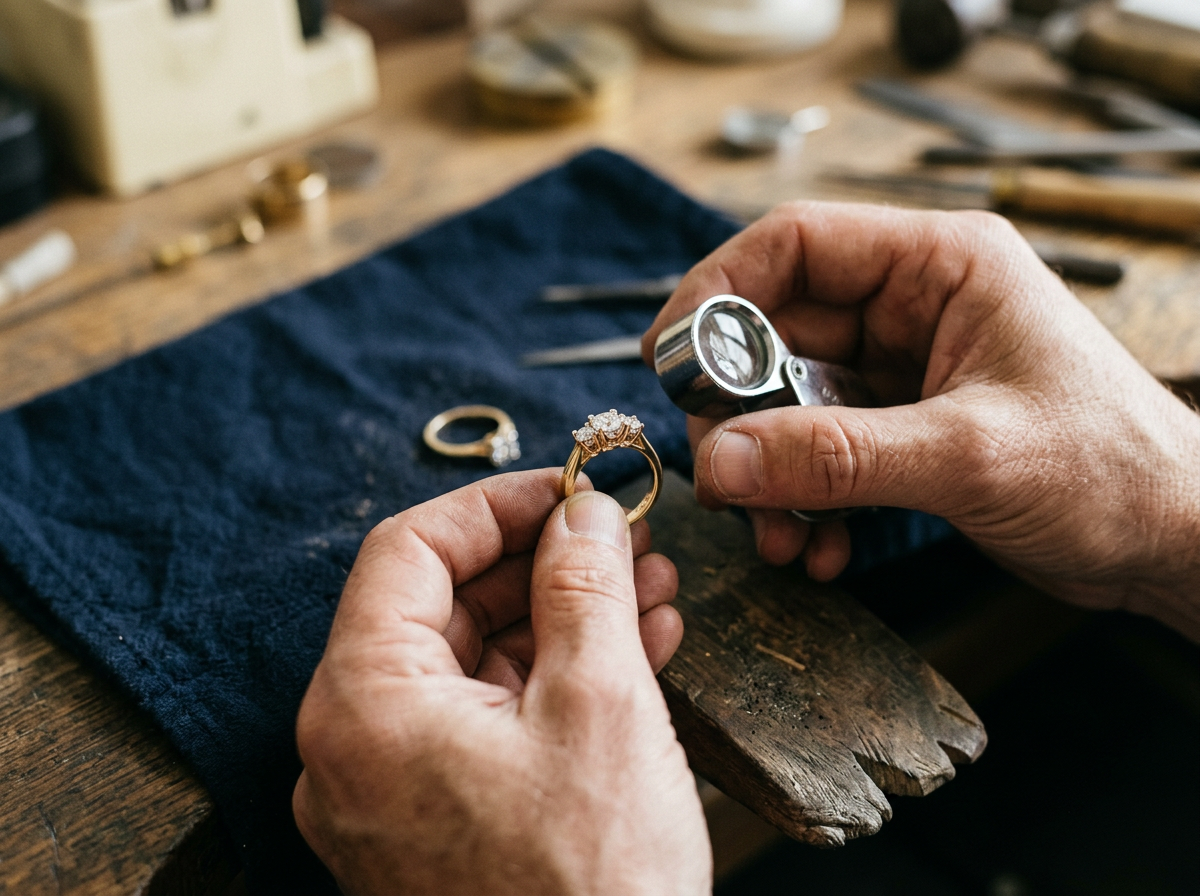

The Spec-Sheet Trap: Why Gemological Lectures Fail
A client is seated across from you in the consultation salon. You have conducted a flawless greeting, identified that she is celebrating a major corporate partner election, and learned she loves timeless architectural lines.
You unlock the high-jewelry vitrine, pull out a 2.10-carat round brilliant solitaire in platinum, place the GIA grading dossier on the counter, and begin your presentation:
“This is a 2.10-carat round brilliant diamond. It is an F color, which means it is in the colorless range, and a VS1 clarity, so there are only microscopic inclusions that you can’t see with the naked eye. The cut grade is Excellent, polish is Excellent, and symmetry is Excellent, what we call Triple Ex. The table percentage is 57% and the depth is 61.8%. The ring is mounted in 950 platinum with four prongs.”
You pause, expecting gasps of admiration. Instead, the client looks down at the certificate, nods politely, and asks:
“Okay… and how much is this one?”
In sixty seconds, you transformed a multi-thousand-dollar piece of wearable art into a used-car inspection report.
This is the Spec-Sheet Trap. Inexperienced or insecure sales associates treat their gemological knowledge like a memorization exam. Because they spent weeks learning the 4Cs, proportion ranges, and crystal chemistry, they believe that regurgitating these facts to the customer demonstrates value.
In reality, reciting technical specifications causes three immediate sales-floor failures:
1. It Triggers Analytical Left-Brain Scrutiny: When you emphasize percentages, color letters, and clarity codes, you force the client’s brain into an analytical, comparison-shopping mode. They stop feeling the beauty of the piece and start looking for numerical flaws.
2. It Makes You Indistinguishable from an Algorithm: Any discount e-commerce website can display an F-VS1 Triple Ex certificate with table percentages. If that is all you offer, the client will take your notes and search for the lowest price online.
3. It Forgets That People Buy Emotions, Not Carat Weight: Clients do not wear certifications on their fingers. They wear beauty, prestige, confidence, and love. Specifications are merely the justification for a purchase; emotion is the trigger.
—
The Physical Choreography of Hard Luxury
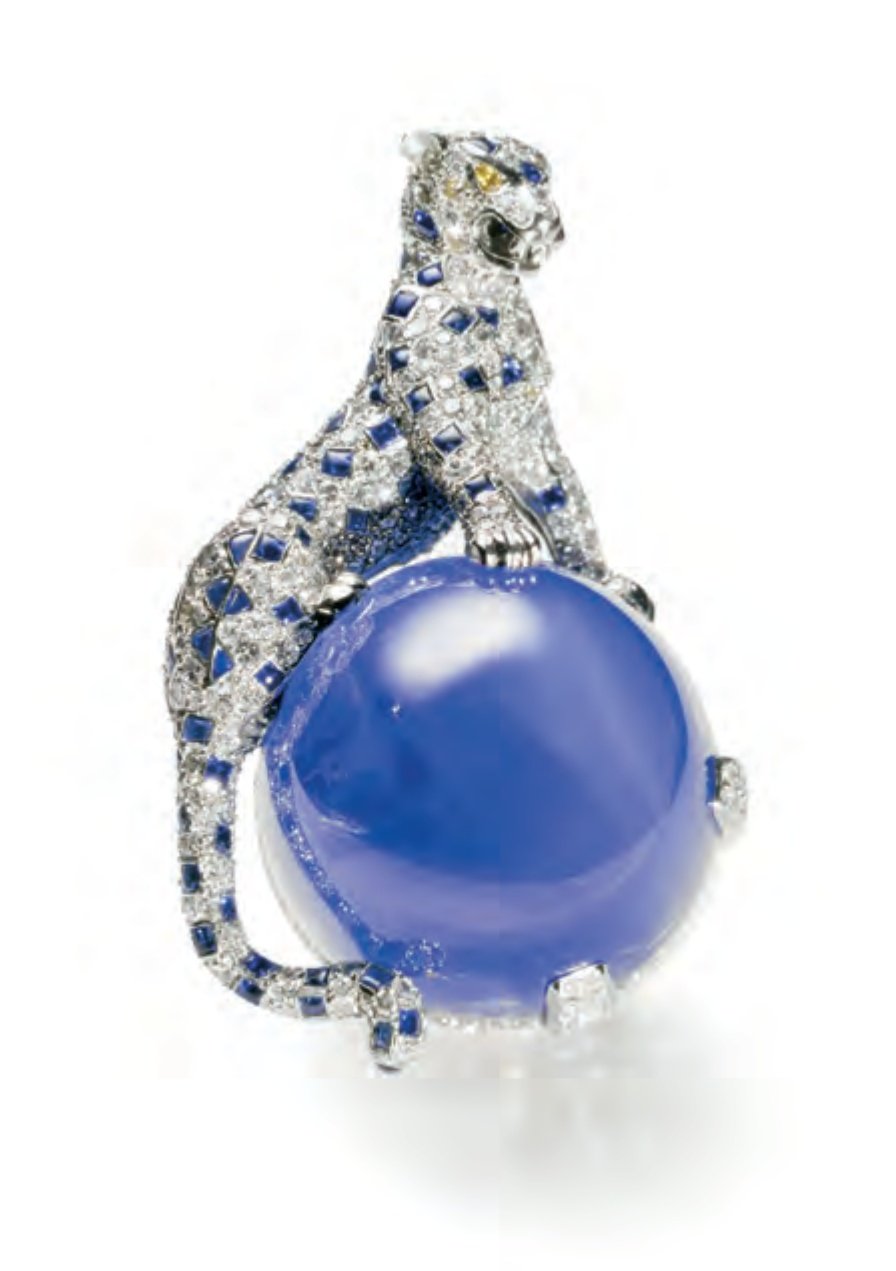
Before uttering a single word of your presentation, your physical actions establish the perceived value of the piece. If you handle a $15,000 diamond ring with careless familiarity, the client’s subconscious concludes that the piece is ordinary. If you handle it with reverent precision, its value is instantly confirmed.
Hard luxury presentation requires mastery of three non-verbal physical rituals:
“`
[ RITUAL 1: THE VELVET TRAY DISCIPLINE ] -> Sacred floor staging, two-piece ceiling
[ RITUAL 2: THE 10x LOUPE INITIATION ] -> Shared gemological wonder & transparency
[ RITUAL 3: THE PSYCHOLOGICAL TRY-ON ] -> Transferring ownership to the skin
“`
—
Ritual 1: The Velvet Tray Discipline
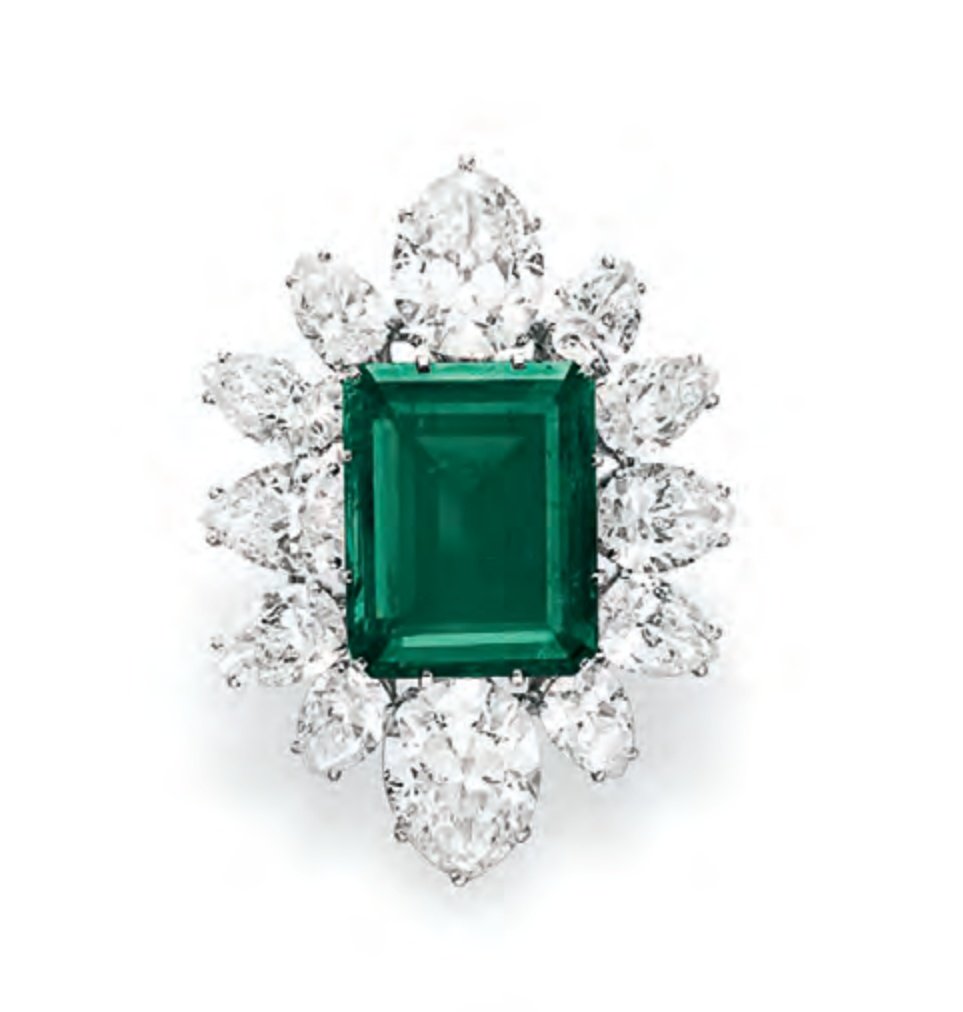
Never pass a piece of fine jewelry directly hand-to-hand like loose pocket change. Hand-to-hand transfers are physically clumsy, risk catastrophic floor drops, and degrade the psychological reverence of the item.
The Sacred Protocol
1. The Pad is the Stage: Every piece must be retrieved with a clean, lint-free microfiber gem cloth or presentation tweezers and placed onto a pristine black, midnight blue, or dark grey velvet presentation pad.
2. The Two-Piece Ceiling: Never place more than two (maximum three) pieces on the presentation pad simultaneously.
– When a tray is filled with eight competing rings, the client’s visual cortex experiences cognitive overload. They become paralyzed by micro-comparisons.
– When introducing a third piece, remove the least-favored piece from the pad and return it to the case: “Let’s set this one aside so we can focus our eyes on what you love most.”
3. Curated Lighting Alignment: Position the pad directly beneath the showroom’s high-CRI focal spots. Angle the piece so the light enters the crown facets and refracts directly back into the client’s eyes.
—
Ritual 2: The 10x Loupe Initiation
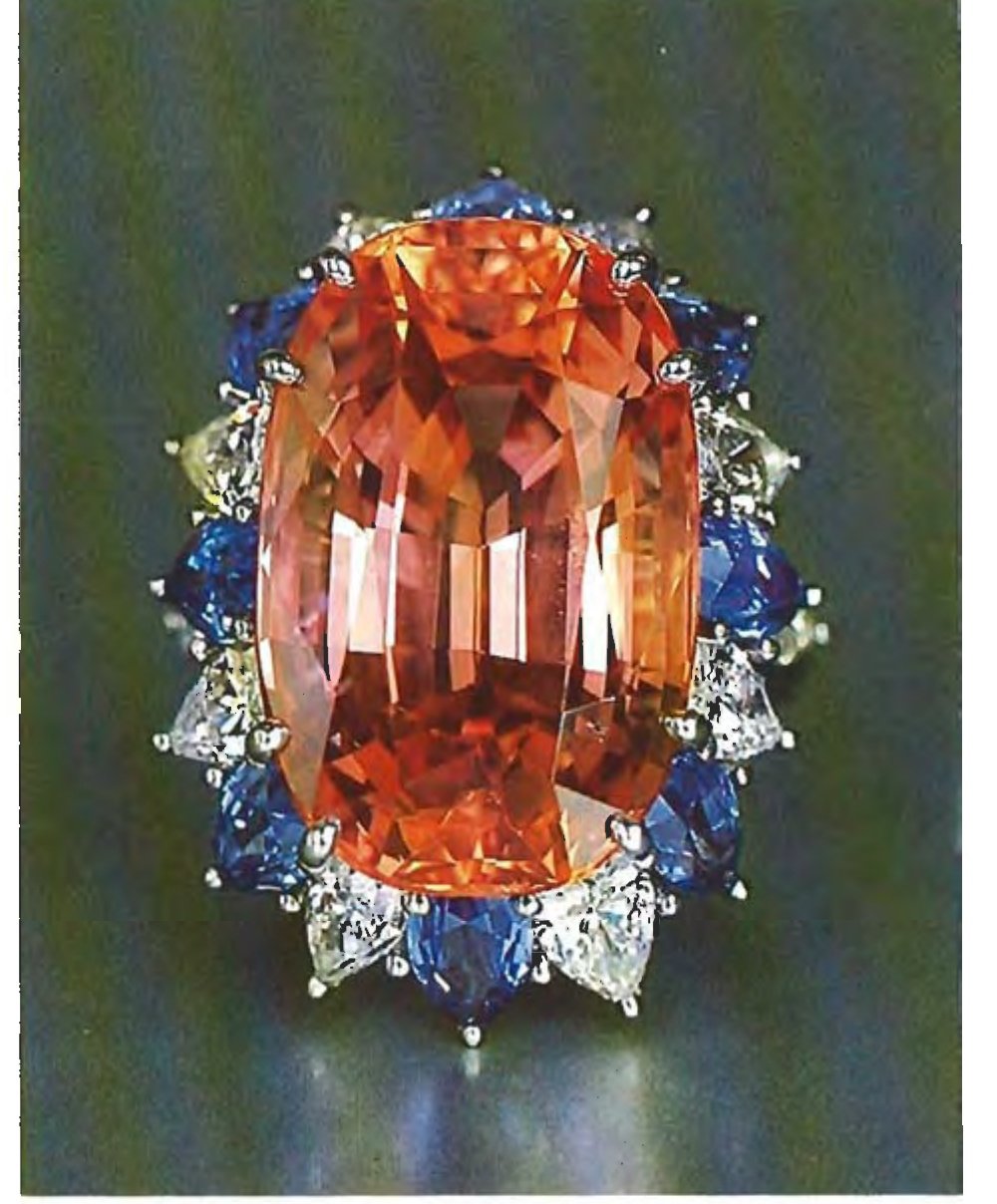
Most customers view a jeweler’s loupe as an intimidating, mysterious instrument reserved exclusively for certified gemologists. By inviting the client to look through your loupe, you demystify the stone, eliminate the fear of hidden defects, and transform the consultation into an intimate discovery adventure.
How to Guide the Loupe Ritual
Associate: “Have you ever had the chance to inspect a diamond through a professional 10x jeweler’s loupe?”
>
Client: “No, I’ve never used one.”
>
Associate: “It is an entirely different universe in there. Let me show you how it works, it takes ten seconds to learn. Hold the loupe directly up against your eyeglasses or eyelashes with your dominant hand. Keep both eyes open so your eye doesn’t fatigue. Now, bring the ring slowly toward the lens until the facet junctions snap into razor-sharp focus.”
The Psychological Impact of the Loupe
– Radical Transparency: You communicate complete confidence that you have nothing to hide.
– Micro-World Wonder: The client sees the internal geometry, crisp facet edges, and extraordinary dispersion that cannot be appreciated by the naked eye.
– The Anchor of Inclusivity: When an associate shares their tools, the power dynamic shifts from seller/buyer to collaborative connoisseurs admiring a masterpiece together.
—
Ritual 3: The Psychological Try-On (The Endowment Effect)
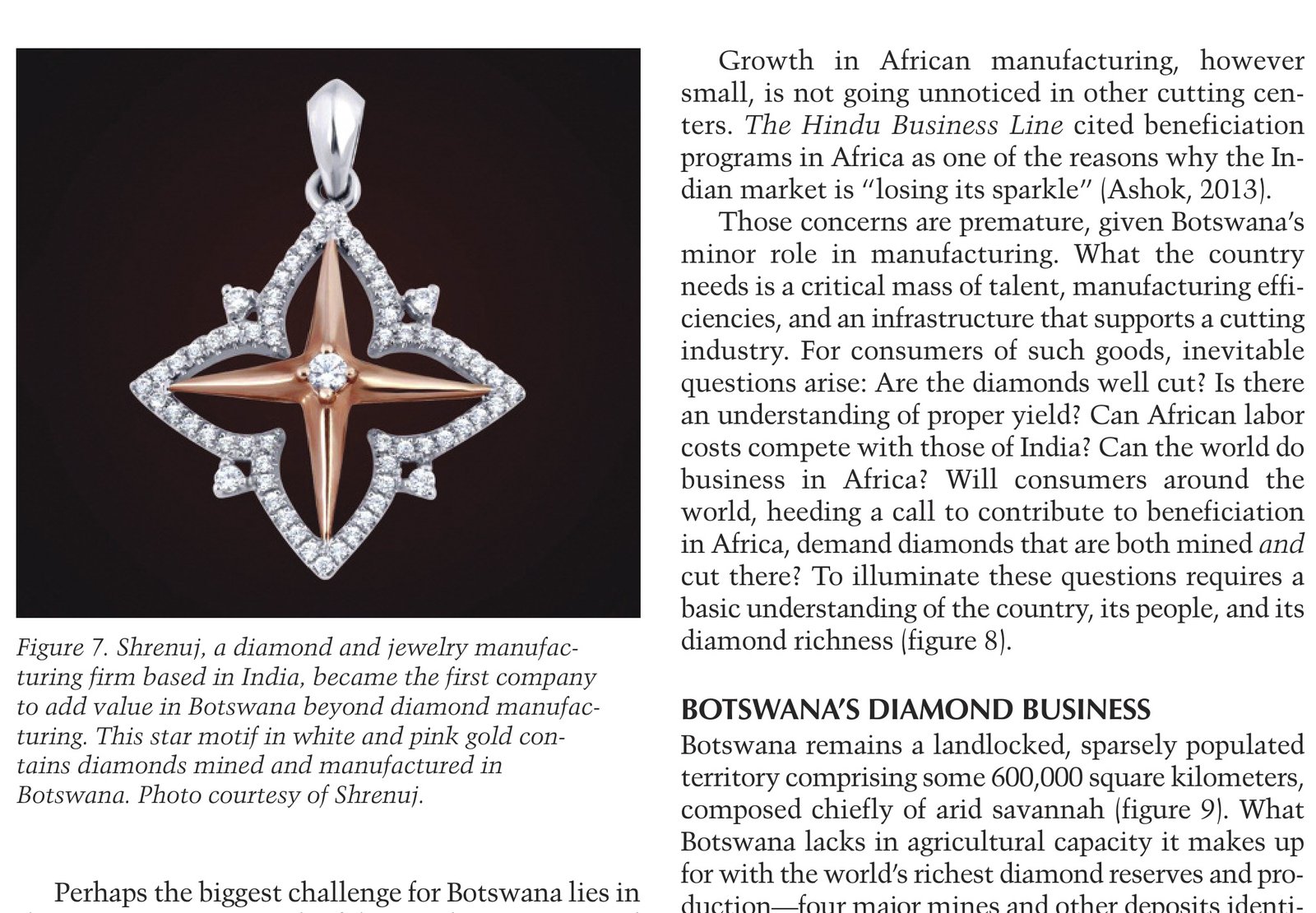
In behavioral economics, the Endowment Effect (demonstrated by Nobel laureate Richard Thaler, Daniel Kahneman, and Amos Tversky) proves that human beings assign significantly higher value to objects the moment they establish a sense of psychological ownership.
In jewelry retail, ownership begins the instant metal touches skin.
As long as a ring sits on a cold velvet tray, it belongs to the store. The moment it slips onto the client’s finger, its emotional temperature rises to 98.6 degrees. It stops being inventory; it becomes her ring.
The Physical Transfer Script
Do not ask “Would you like to try this on?” (which invites a polite, hesitant “No, that’s okay”).
Instead, use an assumptive physical invitation:
Associate (holding the ring by the shank, extending it gently): “Slide this onto your ring finger. Let’s see how this proportion balances against your hand.”
The Mirror Moment
Once the piece is on the client’s finger or wrist:
1. Hand Them the Counter Mirror Immediately: Never let a client look only down at their own hand. Hand them an angled, high-clarity mirror.
2. The Arm’s-Length Rule: Guide them to step back three paces from the mirror and drop their hand naturally to their side:
> “Notice how the light catches across the room. People rarely look at your jewelry from three inches away, they see it when you’re speaking, gesturing over dinner, or walking into a room.”
3. Step Back in Silence: The moment the client looks into the mirror, stop talking for five full seconds. Let the emotional resonance take root without your voice intruding on the experience.
—
The FBES Architecture: Translating Specs to Sentiment
To present fine jewelry like a master client advisor, convert every technical feature into the Feature-Benefit-Emotion-Story (FBES) progression:
“`
[ FEATURE ] — What it is physically, gemologically, or metallurgically.
▼
[ BENEFIT ] — What that feature mechanically accomplishes for durability or beauty.
▼
[ EMOTION ] — How that performance makes the wearer or giver feel.
▼
[ STORY ] — The romantic narrative, provenance, or symbolic meaning that anchors it.
“`
—
Worked Master FBES Scripts
Example 1: The Triple-Excellent Cut Diamond
– Feature: “This diamond carries GIA’s highest cut grade: Triple Excellent in cut, polish, and symmetry, with a tightly calibrated 57% table and 34.5° crown angle.”
– Benefit: “What that engineering means is zero light leakage. Every beam of ambient light entering the crown bounces internally like a hall of mirrors and shoots directly back out as white brilliance and rainbow fire.”
– Emotion: “When she walks into a candlelit restaurant or an evening gala, this ring commands the room before she even says a word. You get the quiet confidence of knowing you didn’t just buy a diamond, you gave her the brightest light in the room.”
– Story: “Out of all the rough diamonds mined from the earth, fewer than five percent are cut with this obsessive standard of geometric perfection. The cutter sacrificed significant carat weight from the raw crystal just to ensure its optical life was flawless.”
—
Example 2: Hand-Forged Platinum Setting
– Feature: “This mounting is hand-forged in 950 platinum with solid wire prongs, rather than cast in hollow gold.”
– Benefit: “Platinum has unmatched molecular density. Unlike white gold, which wears down over time and requires rhodium plating to stay white, platinum never loses metal when polished, it merely displaces into a rich, velvety patina that holds your diamond with absolute security.”
– Emotion: “You never have to experience that heart-stopping panic of looking down at your hand and wondering if a prong bent or a stone loosened. It gives you complete peace of mind through decades of everyday life.”
– Story: “King Louis XVI of France declared platinum ‘the only metal fit for kings,’ and Cartier pioneered its use in Edwardian masterworks because it allowed jewelers to hold magnificent stones in gossamer-thin, virtually invisible mountings that outlive generations.”
—
Example 3: Unheated Royal Blue Ceylon Sapphire
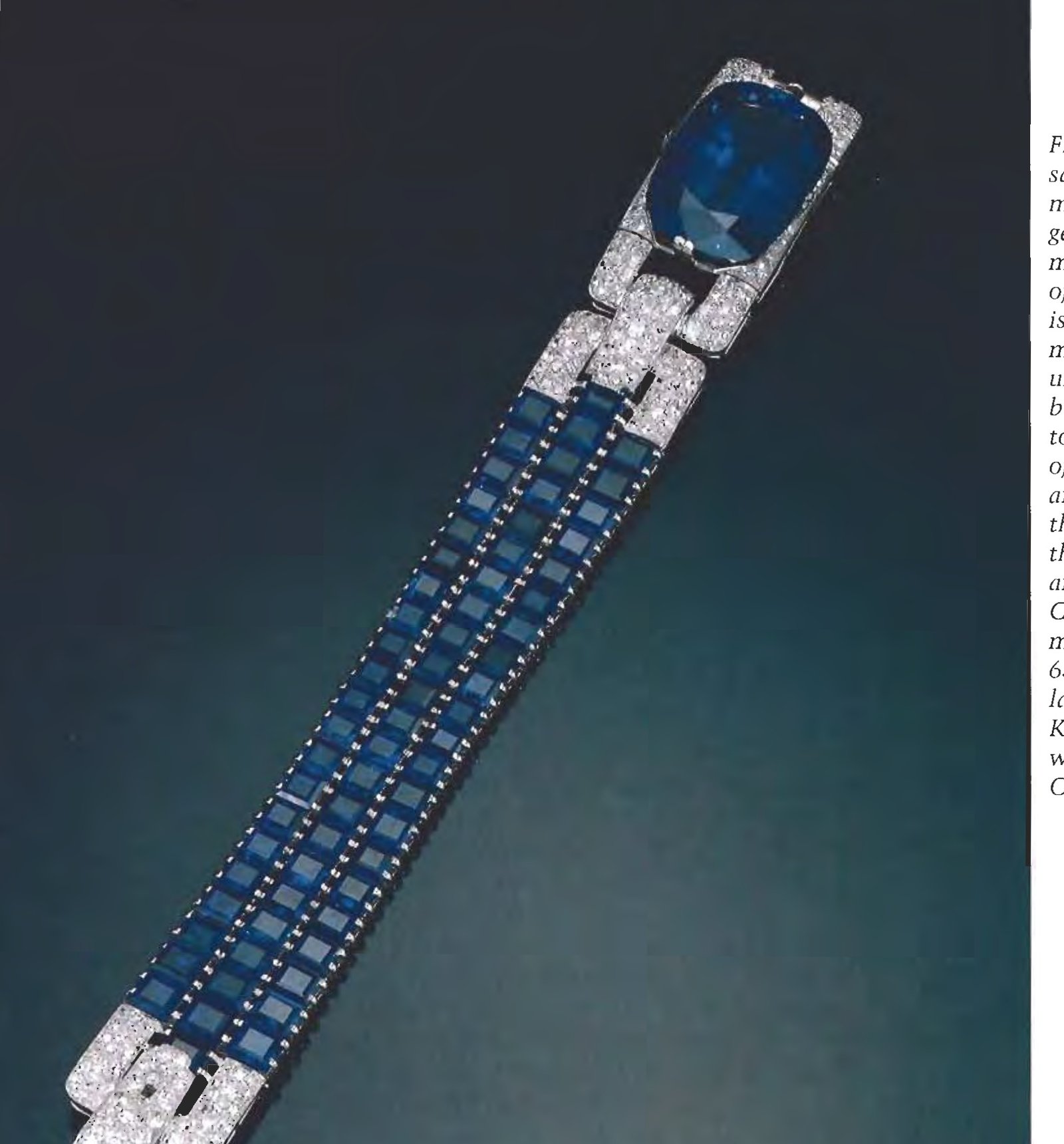
– Feature: “This is an unheated 3.20-carat Ceylon sapphire with an intense royal blue hue and exceptional crystalline transparency.”
– Benefit: “Because this stone is completely unheated, its color is 100% natural, formed by traces of iron and titanium during crystallization, without artificial laboratory thermal enhancement.”
– Emotion: “She wears an authentic miracle of nature that has remained untouched for millions of years. Every time the morning sun strikes that velvet blue, she is reminded of how rare, pure, and enduring your commitment is.”
– Story: “In Sri Lanka, ancient miners called these stones ‘the gems of kings.’ Marco Polo wrote in 1292 that Ceylon possessed the finest sapphires on earth, and this specific vivid saturation has been the hallmark of royal jewelry collections from the British Crown Jewels to European dynasties.”
—
The FBES Translation Matrix: Floor Reference Guide
Use this quick-reference matrix to translate everyday counter specifications into compelling luxury narratives:
| Technical Spec (Feature) | Practical Benefit | Emotional Payoff | Narrative Bridge (Story) |
|—|—|—|—|
| F/G Color Grade | Bright, icy white face-up appearance with zero yellow tint. | Complete confidence that the stone appears pristine in any ambient lighting. | Set against yellow gold or platinum, it reflects pure, unadulterated daylight. |
| VS1 Clarity Grade | Completely eye-clean; inclusions are microscopic even under 10x magnification. | Pride of near-perfection without paying the exponential premium for Flawless. | Nature’s subtle microscopic birthmark, proving its authentic deep-earth origin. |
| Four-Prong Wire Mount | Minimalist metal footprint; maximizes light entering the pavilion. | The diamond appears to float weightlessly on her hand like pure light. | Inspired by the original 1886 Tiffany solitaire architecture that revolutionized diamond display. |
| Bezel Setting | Encloses the diamond perimeter in a smooth protective collar of gold. | Ultimate security; zero snags on knitwear, cashmere, or athletic gear. | The ancient Roman signet setting reinvented for modern architectural luxury. |
| South Sea Pearl | Thick natural nacre (>2mm) with deep, satiny orient and luster. | Warm, organic glow that reflects facial skin tones with extraordinary flattery. | Cultivated for over two years in the pristine, remote waters of the Kimberley coast of Australia. |
—
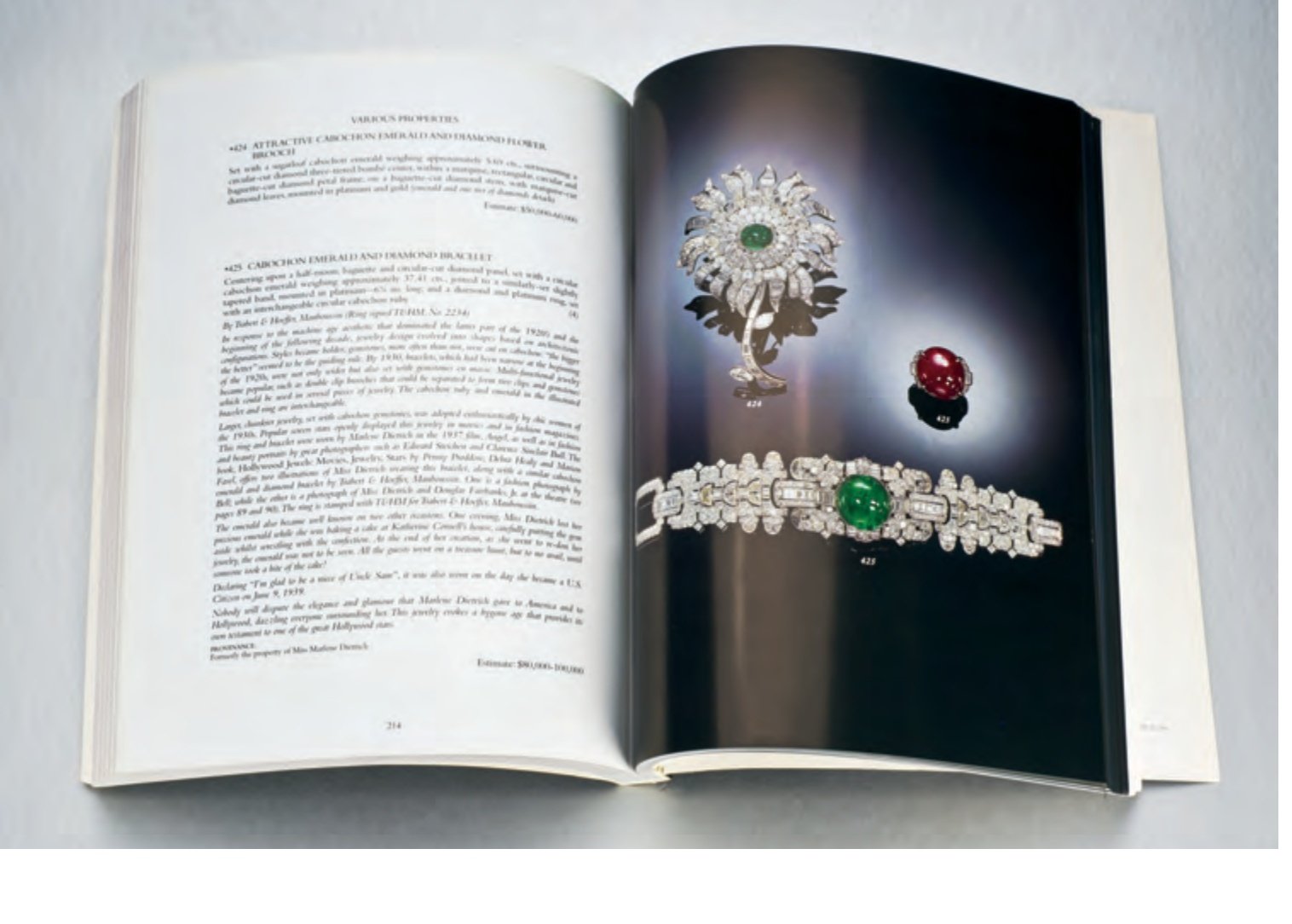
Narrative Bridges: Introducing Story Without Sounding Staged
Storytelling fails on the sales floor when it feels like a rehearsed monologue. A master client advisor does not recite poetry; they weave short, 15-second Narrative Bridges into natural dialogue:
1. The Geological Origin Bridge
“When you consider that this diamond crystallized a hundred miles beneath the earth’s crust before dinosaurs walked the earth, survived a volcanic ascent through a kimberlite pipe, and was polished by hand in Antwerp just to sit on your hand today… it makes modern life feel beautifully timeless.”
2. The Artisan Craftsmanship Bridge
“Look closely at the underside of this gallery. See how the jeweler hand-pierced each open-work scroll? That detail is completely invisible to anyone standing across from you, it exists solely for the person wearing it.”
3. The Generational Heirloom Bridge
“Fine jewelry is one of the only physical possessions we buy in our lifetime that never ends up in a landfill. Fifty years from now, someone you love will hold this exact piece and tell their children your story.”
—
Floor Edge Cases in Presentation
Edge Case 1: The Client Fixated on Flawless Clarity (FL / IF)
– The Mistake: Arguing with them or lecturing that Flawless is a waste of money.
– The Solution: Honor their connoisseurship, then show the visual truth. Pull a Flawless stone beside a VS1 Triple Ex. “I admire your eye for purity. Let’s look at both under the loupe. Visually, face-up, both stones return 100% of light identically. The difference between them is purely intellectual rarity. If knowing you own a zero-defect stone brings you joy, the Flawless is extraordinary. But if your goal is maximum visual presence on the hand, this VS1 lets you step up half a carat in size with zero compromise in optical fire.”
Edge Case 2: The Client Who Refuses to Try the Piece On
– The Situation: “Oh, I shouldn’t… my hands are dry today” or “No, I’m just looking for someone else.”
– The Solution: Never pressure, but use your own hand or a velvet display bust. “I completely understand. Here, let me slip it onto my hand so you can see how the proportion looks in motion against skin.” Watching the piece move on another hand frequently inspires them to try it themselves.
Edge Case 3: The Competing Trio (Indecision Between Two Favorites)
– The Situation: Client is agonizing back and forth between two rings for 15 minutes.
– The Solution: The Take-Away Test. Gently remove Ring A from the pad and place it behind you. “Let’s do an experiment. Imagine I just told you Ring A was purchased by another client ten minutes ago and is gone forever. Look at Ring B on your hand. Do you feel relieved… or do you feel a pang of regret?” Their subconscious reaction will answer the question in two seconds.
—
7-Day Floor Implementation Plan
– Day 1 (The Spec-Sheet Purge): Catch yourself every time you begin reciting 4Cs numbers. Force yourself to follow every spec with “What that means for you is…”
– Day 2 (Mastering the Velvet Tray): Practice the Two-Piece Maximum. Never allow a third piece on your presentation pad without retiring one to the showcase.
– Day 3 (The Loupe Initiation): Hand your 10x loupe to at least three clients. Guide them through holding it to their eye and focusing the stone.
– Day 4 (The Mirror Step-Back): Ensure every client who tries on jewelry views the piece in the mirror from three paces away, not just looking down at their wrist or finger.
– Day 5 (The Platinum FBES Drill): Deliver the complete Louis XVI / molecular density FBES script to a customer considering bridal metals.
– Day 6 (The Take-Away Drill): Use the Take-Away Test with a client caught in decision paralysis between two items.
– Day 7 (Weekly Presentation Audit): Score three of your presentations this week against the FBES architecture. Did you include Emotion and Story, or stop at Features and Benefits?
—
Module Self-Check
Test your command of presentation choreography before progressing to Module 4:
1. What is the Spec-Sheet Trap, and why does reciting technical grading reports diminish perceived value?
2. Why should an associate never hand fine jewelry directly hand-to-hand to a client?
3. Explain the Two-Piece Maximum rule for velvet presentation pads.
4. Describe the correct physical instructions for teaching a customer how to use a 10x jeweler’s loupe.
5. What is the Endowment Effect, and at what exact moment does it take root in a jewelry consultation?
6. Instead of asking “Would you like to try this on?”, what phrasing should an associate use?
7. Break down the four components of the FBES framework and explain the purpose of each.
8. How does an associate translate a GIA “Triple Excellent” cut grade into an emotional narrative?
9. Explain how the Take-Away Test resolves client indecision between two competing pieces.
10. Why is guiding a client to view their jewelry in a mirror from three paces away essential to closing high-ticket sales?
—
Authoritative References & Further Reading
– Daniel Kahneman & Richard Thaler: The Endowment Effect and Consumer Valuation Decisions. Nobel Prize economic research on psychological ownership.
– INSTORE Magazine: Presenting the Goods: The Art of the Velvet Pad and the 10x Loupe.
– Shane Decker: Translating the 4Cs into Romance: Why Men and Women Buy Diamonds.
– Gemological Institute of America (GIA): Retailer Presentation Guidelines: Communicating 4Cs Value with Integrity.
– JCK Magazine: The Psychology of the Mirror Moment on the Luxury Sales Floor.
—
Media Credits & External Links
– [GIA Retailer Support: 4Cs Presentation Tools](https://retailer.gia.edu/)
– [INSTORE Magazine: Counter Presentation Best Practices](https://instoremag.com/)
– [The Jewelers Playbook: Video Training on the Velvet Tray Ritual](https://www.youtube.com/@TheJewelersPlaybook)