Discovery: The Questions That Reveal the Real Purchase
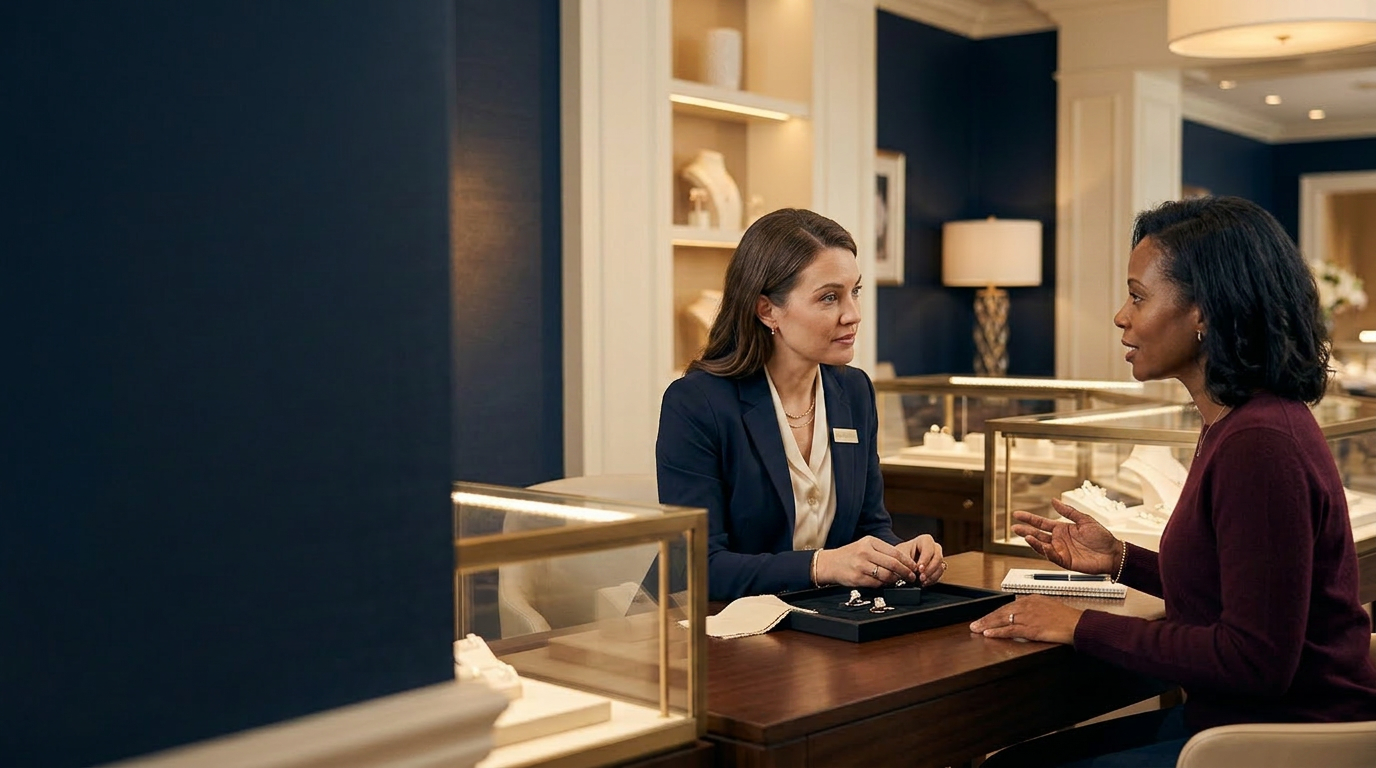
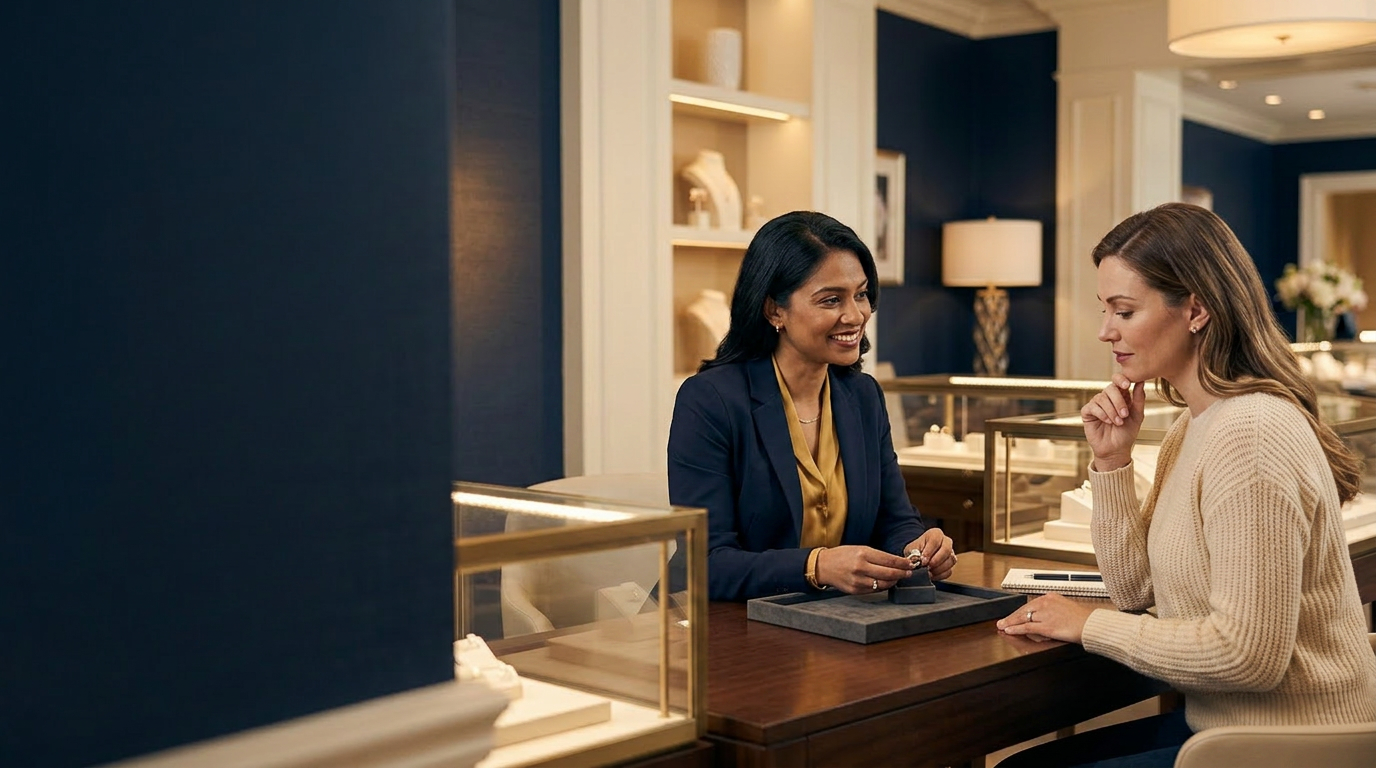
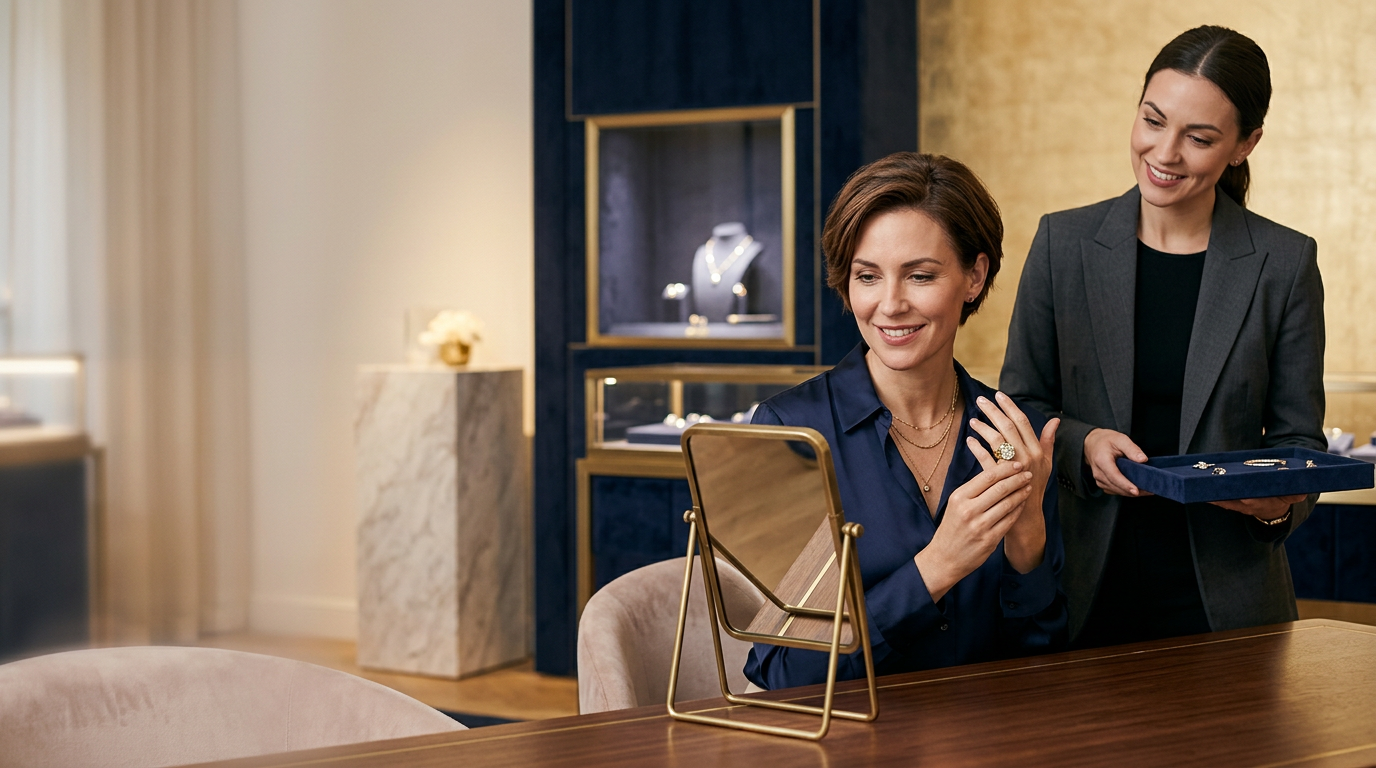
The Interrogation Trap: The Question That Destroys Trust
A gentleman in his early forties approaches the center display island. He has bypassed the initial greeting gracefully and is now looking attentively at a case of diamond line bracelets. An associate steps up, smiles pleasantly, and asks:
“So, what kind of price range or budget were you hoping to stay within today?”
The client’s posture stiffens. His eyes leave the bracelet and flick toward the floor. He pauses, feels suddenly self-conscious, and mutters:
“Well… I don’t really know. Maybe under a thousand dollars?”
With one single sentence, the associate has committed the second most destructive mistake on the fine jewelry sales floor.
Asking “What is your budget?” or “How much did you want to spend?” in the early minutes of a sales conversation feels completely rational to an inexperienced retail worker. The associate believes they are being helpful, efficient, and respectful of the customer’s time.
In reality, direct budget interrogation causes three immediate, catastrophic psychological reactions:
1. It Forces a Defensive Low-Ball: When asked point-blank what they want to spend before they have fallen in love with a piece, human beings instinctively defend their wallet. A client who might happily invest $6,500 in a breathtaking three-carat tennis bracelet once they see it sparkling against skin will prematurely cap their ceiling at $1,000 to protect themselves from being pressured.
2. It Changes Consultation into a Financial Negotiation: Luxury jewelry is an emotional purchase driven by sentiment, romance, personal pride, and aesthetic joy. The moment you introduce dollars into the conversation before establishing emotional desire, you strip the magic from the salon and replace it with the cold tension of a loan interview.
3. It Exposes Salesperson Laziness: High-end clients do not want a clerk who merely filters inventory by price tag. They seek a trusted, knowledgeable advisor who can interpret their taste, understand the occasion, and curate extraordinary pieces.
Discovery is not an interrogation where you cross-examine a witness to extract financial data. Discovery is a collaborative exploration that uncovers the real emotional reason behind the visit.
—
The “Real Purchase” Framework: Sentiment vs. Commodity
In commodity retail, a customer buys a drill because they need a hole in the wall. In fine jewelry, no one buys an 18-karat gold diamond pendant because they need a piece of carbon and metal around their neck.
Every fine jewelry transaction is driven by an emotional milestone:
“`
SURFACE INQUIRY UNDERLYING EMOTIONAL TRUTH (“THE REAL PURCHASE”)
“I want to see diamond studs.” -> “I just closed my first major executive partnership,
and I want a daily reminder that I built this myself.”
“Do you have sapphire rings?” -> “It’s our 10th anniversary. My wife has put up with
chaotic work years, and I want her to know she is adored.”
“Just browsing your pendants.” -> “My daughter is graduating medical school next week.
I need something that lasts long enough to give her daughter.”
“`
If you only address the surface inquiry (“What size studs? What color sapphire?”), you are competing with every online discount website and department store kiosk.
When you discover the Real Purchase, price ceases to be the sole deciding factor. Your presentation becomes an honorific tribute to the milestone itself.
—
The 3-Sequence Discovery Funnel
To conduct discovery that feels like effortless, empathetic hospitality, master the Three-Sequence Discovery Funnel:
“`
[ 1. THE OCCASION & EMOTIONAL DRIVER ]
Who is being honored? What is the story?
▼
[ 2. LIFESTYLE & AESTHETIC PROFILE ]
Daily habits, metal preferences, signature style
▼
[ 3. INVESTMENT FRAMING & EXPLORATION ]
Comparative presentation, comfort zone calibration
“`
—
Sequence 1: The Occasion & Emotional Driver
Never ask a customer what they are looking for until you understand who they are celebrating.
The moment you establish conversational rapport, ask a warm, open-ended question that invites the client to share the story behind the visit.
Effective Sequence 1 Openers
– “Is there a particular celebration or milestone that brings you into the salon today?”
– “Who is the lucky person we are celebrating with this piece?”
– “Tell me a little about the occasion, is this marking an anniversary, a milestone birthday, or a wonderful surprise ‘just because’?”
– (For self-purchasers): “Are you adding something new to your everyday signature collection, or looking for a showstopper for a special event?”
Verbatim Dialogue: Uncovering the Story
Associate: “That sapphire pendant caught your eye right away. Are we celebrating a special anniversary, or perhaps a September birthday?”
>
Client: “Actually, it’s for my wife. We just had our first baby two weeks ago, a little girl.”
>
Associate: “Oh, congratulations! What a breathtaking moment in your lives. That changes everything. You aren’t just looking for a piece of jewelry today, you’re choosing the heirloom she will look down at during late-night feedings, and that your daughter will wear to her own wedding thirty years from now. Let’s make sure this is absolutely unforgettable.”
Notice what happened in this sixty-second exchange:
– The associate immediately elevated the conversation from a transaction to a legacy heirloom.
– The client feels deeply understood and validated.
– Any arbitrary “budget” the client had in mind has now expanded because the emotional significance of the gift has been brought into vivid focus.
—
Sequence 2: Lifestyle & Aesthetic Profiling
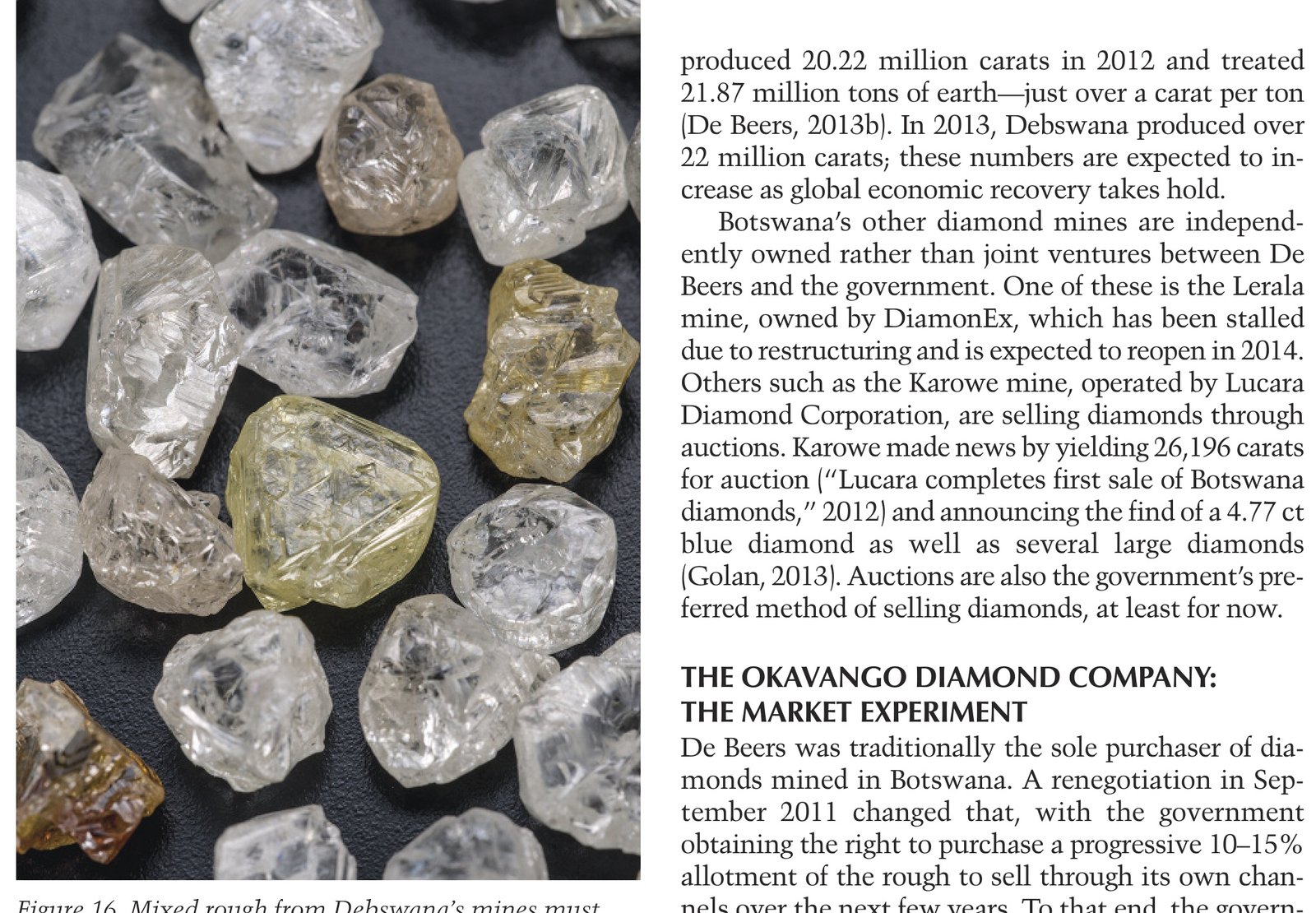
Once the occasion is established, you must determine what design will actually succeed in the recipient’s daily life.
A magnificent 4-prong high-profile diamond solitaire is a disaster for a neonatal intensive care nurse who wears surgical gloves all day. A delicate micro-pavé emerald eternity band will not survive on the hand of an avid rock climber or gardener.
To prevent returns, exchanges, and client disappointment, profile their aesthetic and physical lifestyle using three diagnostic categories:
1. Metal & Color Preferences
Do not guess. Guide the client to observe what the recipient already loves:
– “When you picture her getting dressed up for an evening out, does she gravitate toward warm yellow gold, clean white metals like platinum, or romantic rose gold?”
– “Does she prefer classic, timeless simplicity, or does she love bold, artistic architectural pieces that start conversations across a room?”
2. Daily Wear & Ergonomics
– “What does her typical day look like? Is she at a desk, active outdoors, working in healthcare, or frequently on the go?”
– “Is this a piece she will put on and never take off, showering, sleeping, exercising, or something she reserves for dinners and formal weekends?”
3. The Visual Smartphone Bridge
When a client struggles to describe their partner’s taste (“I don’t know… she likes normal jewelry”), use the single most powerful tool in modern luxury retail: the smartphone.
Associate: “You know what is often ten times faster than guessing? Pull out your phone and show me two or three photos of her dressed up for a wedding, a dinner party, or a vacation. Let’s look at what she naturally chooses to wear.”
In five seconds, you can see her neckline preferences, whether she wears earrings, if she layers chains, and the scale of jewelry that matches her frame.
—
Sequence 3: Investment Framing (Finding the Budget Without Asking)
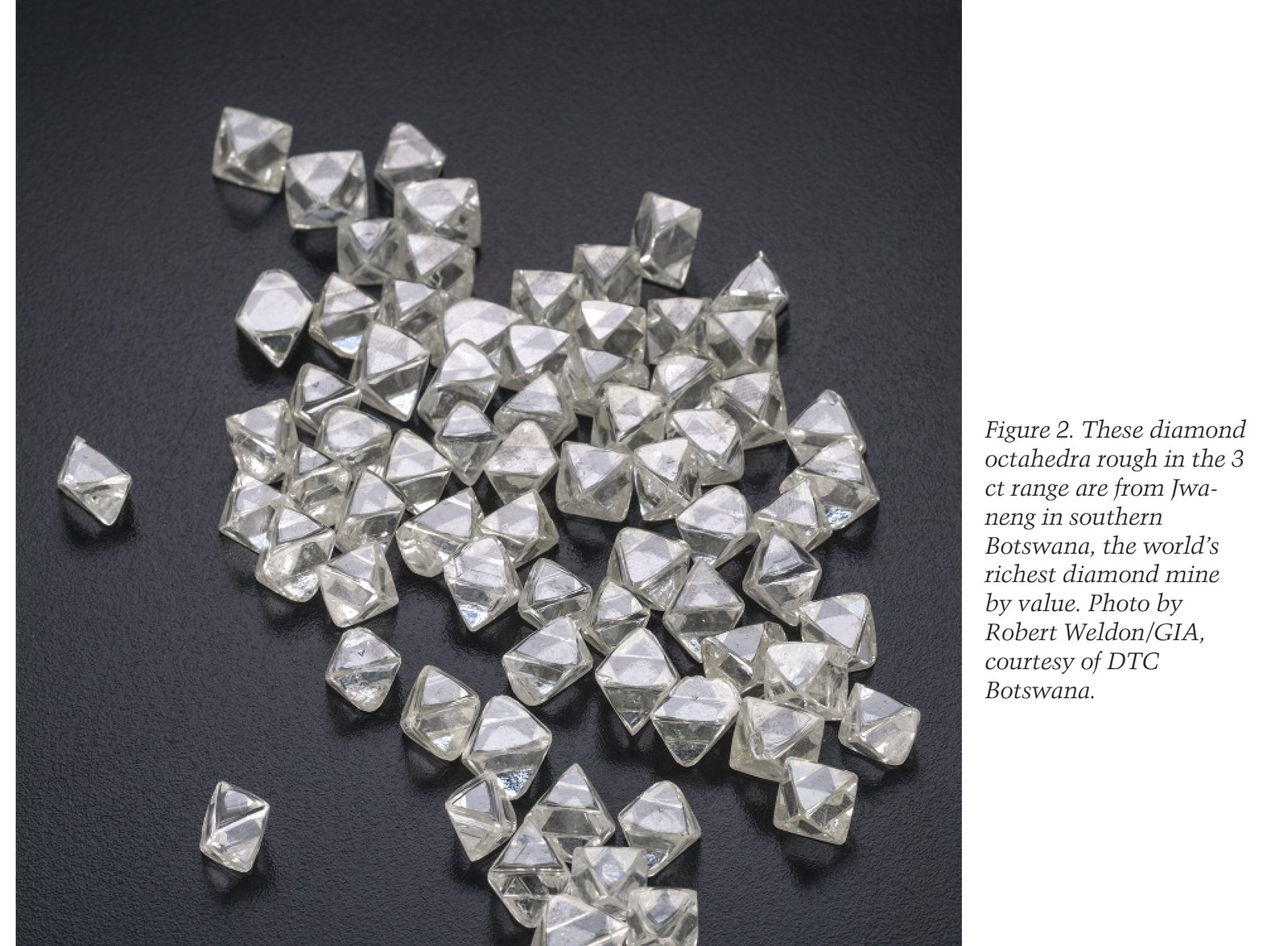
How do you determine what a client is prepared to spend without ever uttering the crude question “What’s your budget?”
You do it through The Comparative Two-Tray Presentation.
The Mechanics of the Comparative Tray
Instead of asking the client to state a number, you show them two or three curated pieces across distinct investment tiers and observe their physical and verbal reactions:
“`
[ TIER 1: The Refined Classic ] — e.g., 1.00 ct Diamond Solitaire Pendant ($2,800)
[ TIER 2: The Elevated Standard ] — e.g., 1.75 ct Diamond Solitaire Pendant ($5,400)
[ TIER 3: The Statement Tier ] — e.g., 2.50 ct Hand-Fabricated Platinum Pendant ($9,200)
“`
Place Tier 1 and Tier 2 on a black velvet presentation pad. Invite the client to touch them, pick them up, and observe the contrast.
The Script for Calibrating Investment
Associate: “To give us a baseline of scale and presence, I’ve brought out two beautiful options. This piece is around twenty-eight hundred, and this one beside it with more substantial visual presence is around fifty-four hundred. When you see them side by side, does one of these feel closer to the scale and investment you had in mind for this milestone?”
Analyzing the Client’s Reaction
| Client Reaction | Psychological Meaning | Your Immediate Floor Move |
|—|—|—|
| Picks up Tier 2, ignores Tier 1 | Comfort zone is higher than Tier 1; desires substance. | Bring out Tier 3 (“Since you appreciate that presence, look at this…”). |
| Hovering over Tier 1, body tense | $2,800 is at the upper edge of their financial comfort. | Validate Tier 1’s brilliance (“This 1-carat has extraordinary light output…”). Do not embarrass them. |
| “Neither, do you have something larger?” | High Net Worth buyer; unconcerned with price. | Step immediately into your premier collection or custom design. |
| “Fifty-four hundred is more than I wanted to do.” | Boundaries established comfortably. | “Understood completely! Let’s explore between twenty-two hundred and thirty-two hundred where the sweet spot of value is.” |
Through this gentle calibration, the client reveals their financial parameters naturally, safely, and without feeling judged or cornered.
—
The Eight Power Questions of High-Ticket Discovery
Replace stale retail questions with these tested, high-conversion inquiry bridges:
| Stale Retail Question (Ban Forever) | High-Ticket Power Question (Adopt) | Why the Power Question Wins |
|—|—|—|
| “What’s your budget?” | “Have you thought about the general investment level you wanted to allocate for this milestone?” | “Investment level” connotes wealth and lasting value; “budget” connotes restriction and pinching pennies. |
| “What style does she like?” | “If you had to describe her signature style in three words, would she be classic, modern, or vintage romantic?” | Gives the client multiple-choice cognitive anchors instead of demanding design vocabulary they do not possess. |
| “What size stone do you want?” | “When she looks down at her hand, do you want her to see a delicate, subtle shimmer, or a bold, unmistakable presence?” | Reframes millimeters and carats into emotional presence on the body. |
| “Do you want natural or lab-grown?” | “Have you explored the differences between earth-mined diamonds with billions of years of geological history and modern lab-grown diamonds?” | Introduces origin romance and educational leadership without disparaging either category. |
| “Can you afford this?” | “Would it be helpful to see how this looks divided into convenient monthly payments with our preferred client account?” | Introduces financing as a cash-flow tool of wealth preservation, not a badge of poverty. |
| “Is this for an occasion?” | “What’s the celebration behind this piece? I’d love to hear the story.” | Directly unlocks the emotional motivation and sets up narrative selling. |
| “What metal do you want?” | “Does she tend to match her jewelry to her watch and wedding set, or does she love mixing metals?” | Prompts practical visual memory rather than guessing alloy names. |
| “Are you buying today?” | “If we discover the exact, breathtaking piece that checks every single box, are you in a position to secure it today?” | Tests purchase readiness respectfully while honoring their timeline. |
—
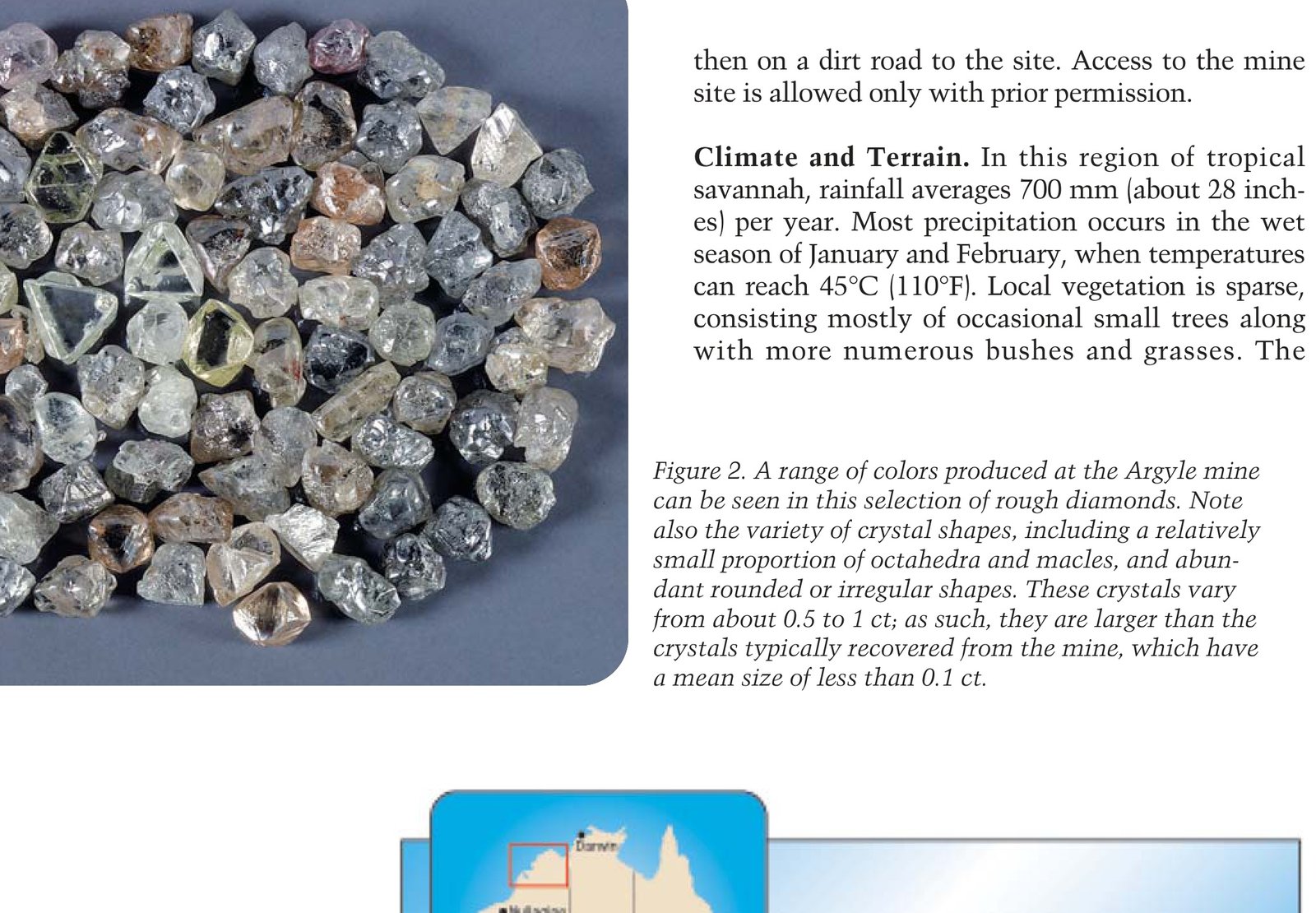
Handling the Secretive or Anxious Buyer
On the fine jewelry sales floor, you will regularly encounter clients whose body language screams anxiety:
– The young man shopping for an engagement ring who feels terrified of getting ripped off or buying the “wrong” ring.
– The nervous anniversary husband who has never stepped foot in a luxury store.
– The secretive buyer on a lunch break with limited time.
The 3-Step De-Escalation Protocol
1. Normalize the Overwhelm: Explicitly tell them that feeling overwhelmed is normal.
> “If all of these settings and grading scales feel like a foreign language, relax. Nobody is born knowing diamond specifications. My job is simply to make you the most confident person in the room.”
2. Eliminate Risk with House Policies: Early in discovery, neutralize the fear of making a mistake.
> “Keep in mind: whatever we select today is backed by our full 30-day exchange privilege and complimentary custom sizing. You cannot make a mistake here, if she wants a different mounting, we take care of it seamlessly.”
3. Take Ownership of the Outcome:
> “We are going to make you look like an absolute hero when she opens this box.”
—
Floor Edge Cases in Discovery
Edge Case 1: The “I Have No Idea What She Likes” Husband
– The Mistake: Bombarding him with technical questions about halo mountings vs. split shanks.
– The Solution: Ask about her other luxury preferences. “What handbag brand does she carry? Where does she love to vacation? What is her favorite restaurant?” A woman who carries a clean Celine tote and loves minimalist boutique hotels will almost certainly hate an ornate, busy vintage cocktail ring.
Edge Case 2: The Couple with Disagreeing Taste
– The Situation: The fiancé wants an ultra-simple solitaire; the fiancée is captivated by a 3-carat oval with a hidden halo and pavé band.
– The Mistake: Taking a side or pointing out the price difference between their choices.
– The Solution: Pivot to harmony. Validate both instincts. “You both have incredible eye. Marcus loves the eternal purity of the solitaire, which will never go out of style, and Sarah loves the fire and modern silhouette of the elongated oval. What if we design a ring that embodies the clean, timeless lines Marcus loves from the top, but incorporates the surprise pavé collar underneath for Sarah?”
Edge Case 3: The Price-Obsessed Shopper Who Demands Numbers Instantly
– The Situation: Walks straight to the showcase: “How much per carat on this one right here?”
– The Solution: Answer the question transparently, then immediately pivot to context. “That magnificent stone is sixty-four hundred. What makes that particular diamond remarkable is its zero-light-leakage cut. Tell me, are you comparing specific cut grades, or trying to understand how different sizes look within that range?” Never dodge price, but never let price remain isolated from value.
—
Summary Matrix: The Discovery Playbook
| Discovery Stage | Primary Goal | Deadly Mistake to Avoid | Master Floor Question |
|—|—|—|—|
| Stage 1: Occasion | Reveal the emotional milestone | Starting with product specs | “What is the wonderful celebration bringing you into the salon today?” |
| Stage 2: Lifestyle | Ensure durability and aesthetic fit | Assuming everyone wears jewelry the same way | “What does her typical day look like, is she active, in healthcare, or at a desk?” |
| Stage 3: Taste | Pinpoint visual silhouette | Demanding technical jewelry terms | “Show me two or three photos on your phone of her dressed up for a favorite night out.” |
| Stage 4: Investment | Determine comfortable financial tier | Asking “What’s your budget?” | Pulling two comparative trays: “When you see these side by side, which feels closer to the presence you had in mind?” |
—
7-Day Floor Implementation Plan
Execute this daily training cadence to turn master discovery into second nature:
– Day 1 (The Budget Ban): Eradicate the word “budget” from your speech completely. Replace it with “investment level” or “price comfort zone.”
– Day 2 (The Story First Drill): On every walk-in, commit to discovering the occasion and recipient before touching a single showcase key.
– Day 3 (The Smartphone Photo Technique): Ask at least three gift buyers to show you a photo of the recipient on their phone. Note how much faster aesthetic alignment occurs.
– Day 4 (The Two-Tray Comparative Practice): Present two pieces of differing investment tiers side by side to establish budget boundaries organically.
– Day 5 (The Hero Framing): Use the phrase “We are going to make you look like a hero” with at least two anxious gift buyers. Observe their physical relief.
– Day 6 (Active Listening & Note Taking): Keep a small luxury leather notebook at the consultation desk. Jot down key names, dates, and milestone details in front of the client.
– Day 7 (Weekly Discovery Audit): Review your sales consultations from the week. In how many transactions did you identify the “Real Purchase” before discussing price?
—
Module Self-Check
Test your command of consultative discovery before progressing to Module 3:
1. Why does asking “What is your budget?” in the first five minutes trigger a defensive reaction in luxury consumers?
2. What is the fundamental difference between a surface inquiry and the “Real Purchase”?
3. Name the three sequences of the Discovery Funnel in their correct chronological order.
4. How does the Comparative Two-Tray Presentation uncover a client’s financial parameters without awkward confrontation?
5. Why is a client’s daily profession or physical activity level a vital piece of gemological discovery?
6. When a gift buyer states “I have no idea what she likes,” what is the single fastest tactical move an associate can make?
7. How should an associate handle a situation where a shopping couple expresses conflicting aesthetic tastes?
8. What phrasing should replace the stale retail question “What size stone do you want?”
9. How does stating house warranty and 30-day exchange privileges early in discovery assist an anxious client?
10. What is the appropriate response when a client aggressively demands the exact price of an item within thirty seconds of walking in?
—
Authoritative References & Further Reading
– Terry Sisco / Exsellerate: The Fine Jewelry Consultative Discovery Framework. Foundational training on uncovering the emotional motivator behind luxury purchases.
– INSTORE Magazine: The Art of the Gentle Inquiry: How to Uncover Buying Intent Without Interrogating.
– Shane Decker: Mastering High-Ticket Diamond Consultations: Why Budget Questions Kill Closes.
– National Retail Federation (NRF): Luxury Retail Customer Journey and Emotional Value Benchmarks.
– Harvard Business Review (HBR): The Emotional Drivers of Luxury Consumption (Bespoke curation vs. commodity qualification).
—
Media Credits & External Links
– [INSTORE Magazine: Sales Floor Discovery Techniques](https://instoremag.com/)
– [JCK Online: The High-Ticket Consultation Playbook](https://www.jckonline.com/)
– [The Jewelers Playbook: Video Masterclass on Luxury Discovery](https://www.youtube.com/@TheJewelersPlaybook)