Cut: Orienting Color, Weight Retention, and Why Colored Stones Are Not Diamonds
The two sapphire ovals
A bridal client is choosing between two 2 ct blue sapphire ovals for her ring. Sapphire A is bright and lively face-up, evenly saturated across the table, and commands a strong blue in daylight — but if you tilt it under a bright light you can see a small window at the center, and the pavilion is a bit uneven. Sapphire B looks darker and more imposing under the store’s halogen spots, its symmetry is mechanically perfect, and its proportions look “correct” if you are used to reading diamond proportions — but in daylight it closes up to a near-black blue with large areas of extinction, and it faces up lifeless.
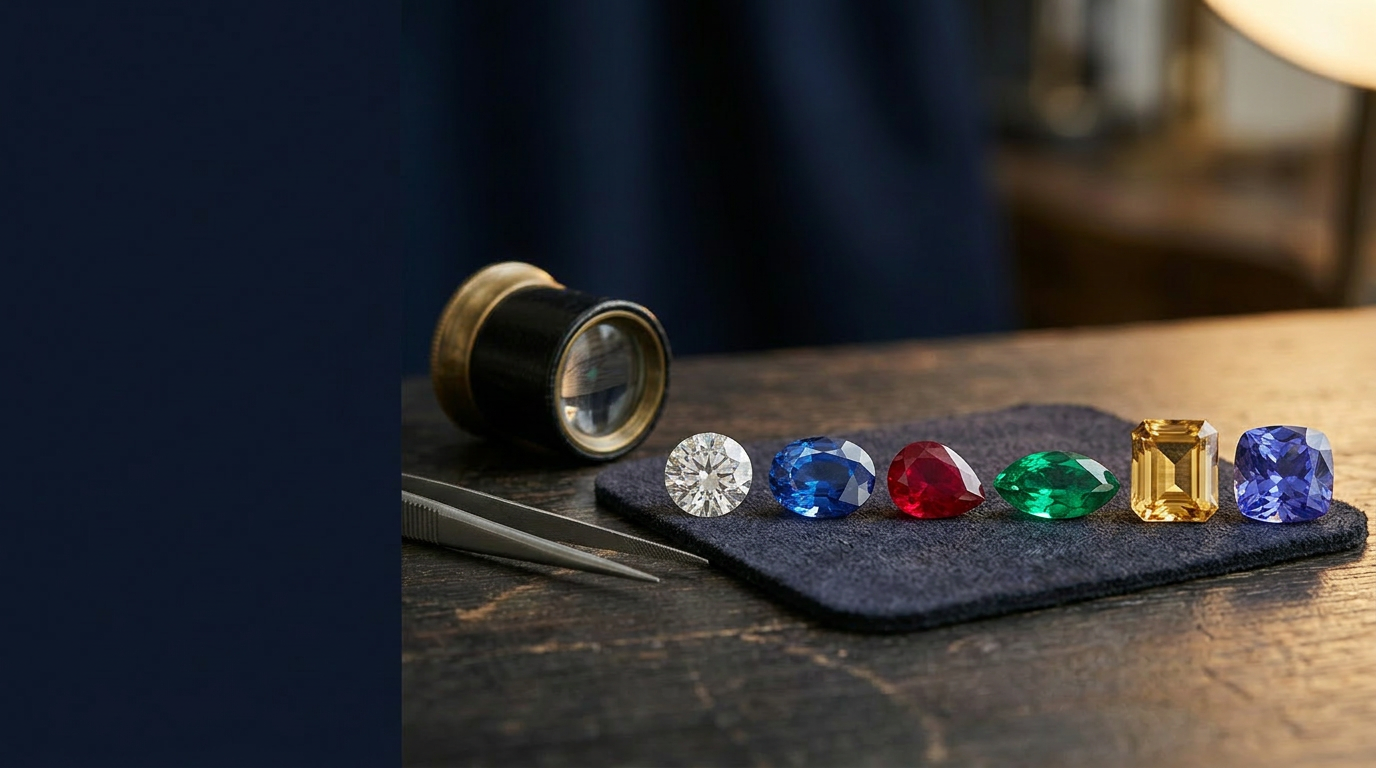
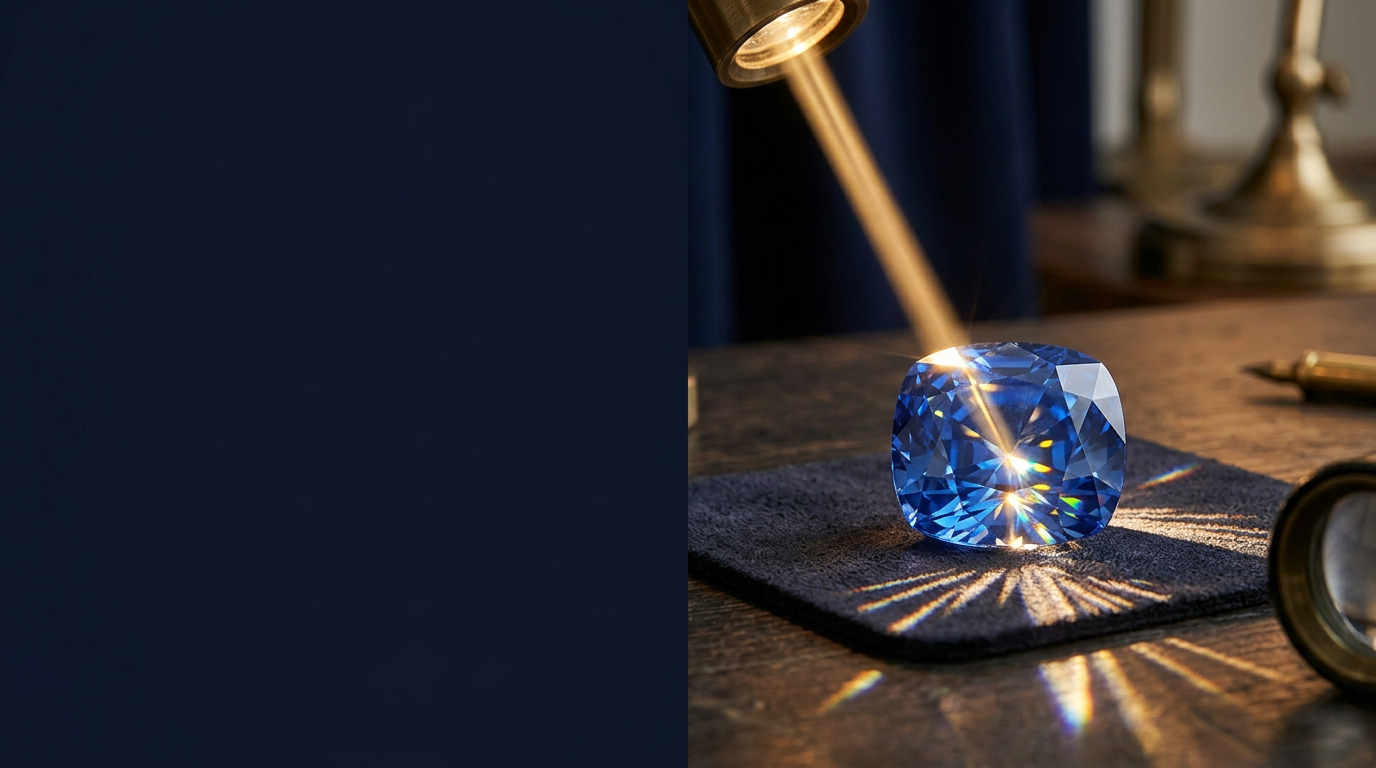
If you judge these sapphires by diamond-cut criteria, Sapphire B looks better. If you judge them by colored-stone criteria, Sapphire A is the better stone. This is the central rule of colored-stone cutting: colored stones are cut for color, not for light return. A cut grade that is meaningful for a diamond does not translate directly to a colored stone, and an associate who talks about “excellent cut” the way they would for a diamond will misgrade the case.
This module explains how colored-stone cut works — orientation decisions, face-up appearance, shapes, specialty cuts, native cuts, recutting, and calibrated goods. The anchor reference is Al Gilbertson’s 2013 G&G paper “Optimizing Face-Up Appearance in Colored Gemstone Faceting,” with supporting pieces from Pay (2016) on cutting the Imperial Flame topaz, Grussing (2016) on large-opal cutting, Hsu/Lucas (2016) on robotic faceting, and the Munsteiner fantasy-cut literature.
Colored-stone cut is not diamond cut
Round brilliant diamonds are cut to a mathematically derived set of angles (crown ~34°, pavilion ~40.7° for an ideal round brilliant) that maximizes light return — light enters the table, reflects off the pavilion facets, and returns to the viewer’s eye as brilliance and fire. Deviate from those angles and light leaks out, which is why the GIA cut grade exists and why diamond proportion sets matter.
Colored stones are cut for face-up color. The cutter’s first goal is to make the stone look as saturated, attractive, and evenly colored as possible when seen face-up by a buyer. Light return matters, but it is secondary to color; weight retention (carat weight) matters because colored stones are sold by weight and rough is expensive, and a millimeter of extra weight can add thousands of dollars to a fine ruby or sapphire. The cutter is always balancing three competing goals:
- Best face-up color — saturated and even, not windowed, not overly dark.
- Weight retention — every tenth of a carat kept on a fine stone has value.
- Symmetry and polish — a professional finish (table centered, facets meet, polish is mirror-like).
These goals conflict. Cutting a dark basalt sapphire shallower reduces extinction and makes the blue brighter — but it also reduces carat weight. Orienting a tanzanite so the table shows blue rather than the brownish pleochroic direction may force the cutter to orient the rough at an angle that leaves an asymmetric girdle and costs weight. Cutting an emerald in the classic emerald (step) cut protects the corners (which are vulnerable because of emerald’s brittleness and cleavage) and showcases the color — but it does not maximize brilliance the way a brilliant cut would. A professional cut balances these pressures; a commercial or “native” cut often prioritizes weight over everything.
This is why you cannot put a single colored-stone cut grade on a card the way GIA grades diamond cut from Excellent to Poor. You judge a colored-stone cut by how it performs face-up in daylight and in typical wear.
Orientation: the cutter’s most important decision
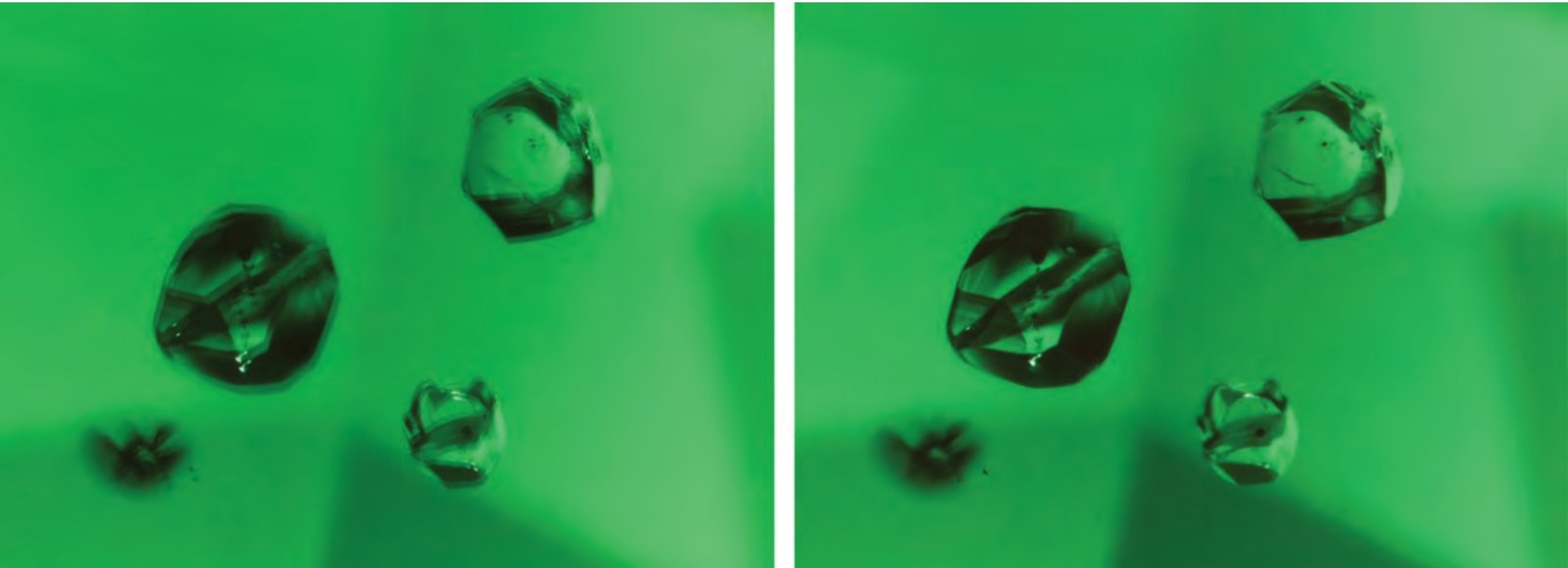
Before a cutter touches a piece of rough, they study it for orientation. The table position determines everything the wearer will see — color, pleochroism, extinction, windows, and the weight the finished stone retains. Orientation factors include:
- Pleochroism. For strongly pleochroic stones (M05), the table must be oriented so the viewer sees the most desirable color straight down the optic axis:
- Tanzanite (trichroic): table perpendicular to the c-axis produces the rich violetish-blue; if cut wrong, the stone faces up purple, brownish, or muddy. Almost all commercial tanzanite is oriented correctly because the value gain from a blue face-up far outweighs the weight loss of a suboptimal orientation.
- Iolite (trichroic): table perpendicular to the c-axis shows the violet-blue; an off-axis orientation shows the yellowish-gray third color, destroying the stone’s appearance.
- Andalusite (trichroic): often cut to show a mix of green and brownish-red pleochroism as a feature rather than eliminating one color.
- Tourmaline (dichroic): tourmaline has a dark and a light direction along the c-axis. Cut with table parallel to c-axis and the stone faces up dark; cut with table perpendicular and it can face up too light. The classic solution is to cut the table at a slight angle to the c-axis (or to cut long rectangular “emerald” cuts where the long axis is the c-axis) so the color is balanced.
- Kunzite (trichroic): oriented to show the lilac-pink; kunzite is also typically cut with the table slightly off the c-axis to manage the pink/purple balance.
- Aquamarine, morganite, emerald (dichroic): oriented so the table shows the preferred hue (blue in aquamarine, pink in morganite, green in emerald).
- Star and cat’s-eye stones. The cabochon base must be cut perpendicular to the c-axis so that the rutile silk reflects the star/eye centered on the dome. Cut off-axis and the star slides off to one side of the cabochon; the eye is misshapen; or the star does not form at all. This is why fine stars are rare — the orientation must be geometrically precise, and a cutter who misjudges the axis ruins the star even if the silk is perfect.
- Color zoning. Many gems grow with uneven color — amethyst often shows stronger color at the crystal tips; blue sapphire can have hexagonal or angular blue bands; watermelon tourmaline has a green rim and pink core; ametrine shows purple and yellow sectors. The cutter orients the rough to put the best color on the table and hide unattractive zones in the pavilion (where they are visible from the side but not face-up). Skillfully oriented amethyst can face up deeply purple even from lightly colored rough; poorly oriented amethyst faces up patchy.
- Depth of bodycolor. Dark rough (Thai/Australian basalt sapphire, dark garnet, dark blue tourmaline) is cut shallower — thin pavilions let more light pass through and lighten the face-up color. Pale rough (light Ceylon sapphire, lightly colored amethyst, pale aquamarine) is cut deeper to increase the path length of light through the material and deepen the perceived saturation. This is not cutting fraud. It is proper colored-stone cutting — and the same cutter will cut two pieces of rough from different mines at different angles precisely because they need different handling.
- High-value stones carry higher weight-retention pressure. For ruby, fine emerald, Padparadscha sapphire, alexandrite, Paraíba-type tourmaline and other high per-carat gems, every point of retained weight is worth money. Cutters often leave thick girdles, deep pavilions (“bellys”), “windows,” or off-center culets on high-value rough because losing weight costs more than the proportional appearance gain. Stones from Mogok, from Muzo, and from the Batalha mine are routinely cut heavy; the buyer at auction must judge whether the weight retention was justified. This is also why “recutting” a stone (see §7) can be controversial on fine goods — the carat lost to recut may exceed the value gained in appearance.
- Inclusions and cleavage. The cutter places obvious inclusions where they are least visible (often under a prong, near the girdle, or in the pavilion rather than on the table), and orients cleavage-prone stones (topaz, tanzanite, kunzite, moonstone, diamond) so that cleavage planes are not at the culet or girdle where they are exposed to knocks (Martin 1987).
Face-up appearance: what to look for
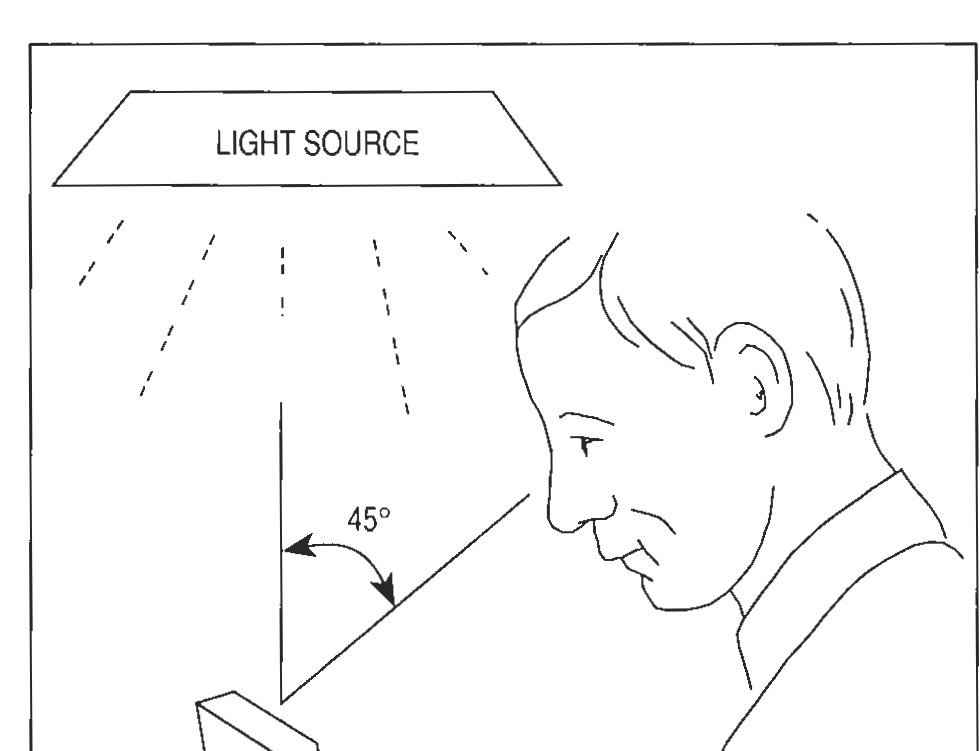
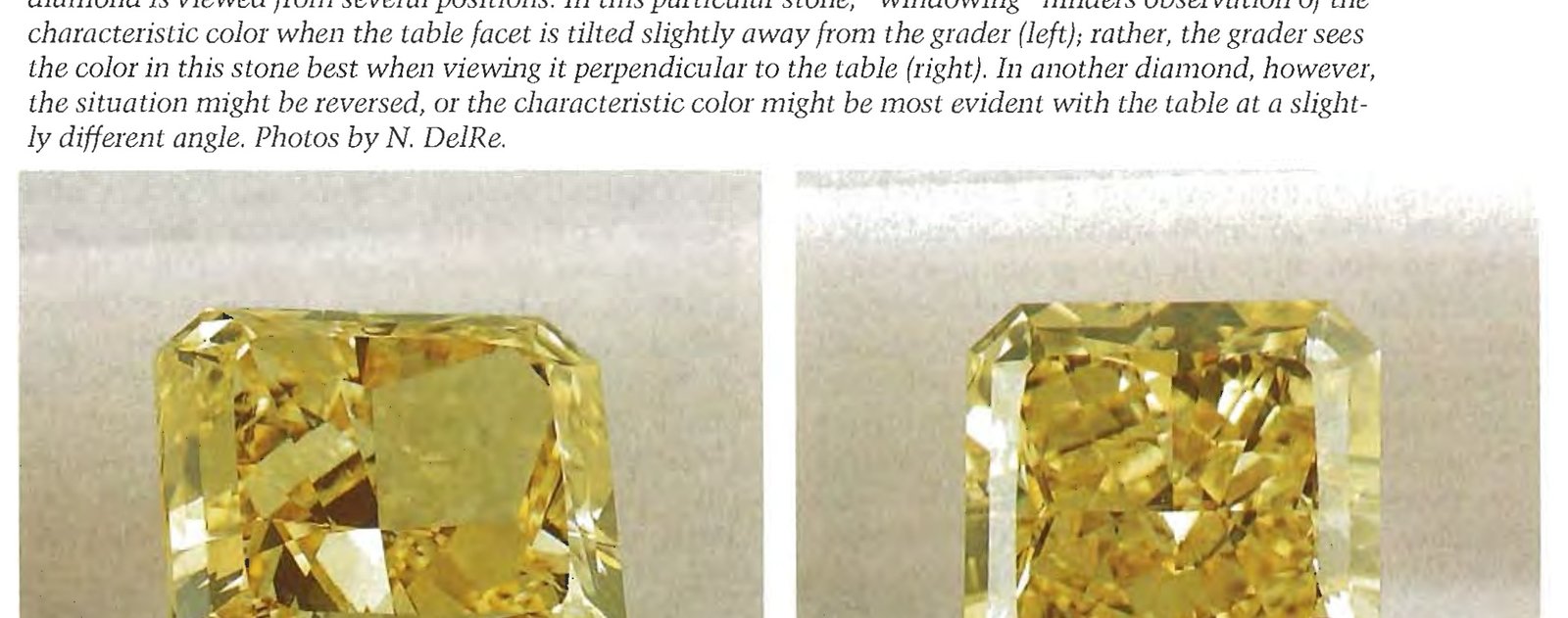
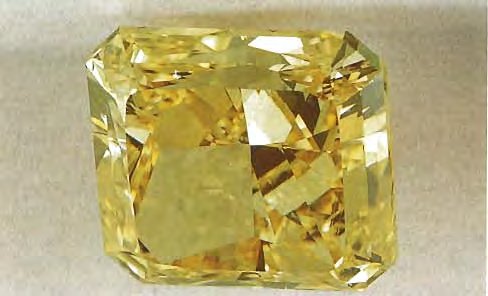
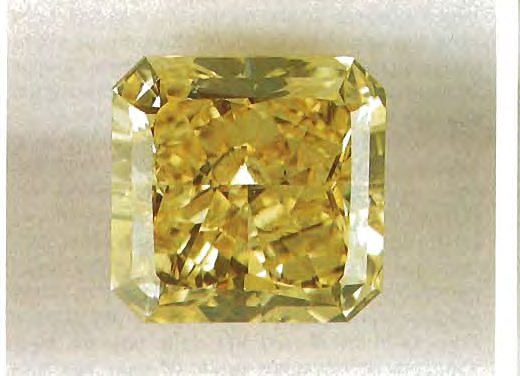
When you evaluate a colored stone in your case, you are judging how it performs face-up under multiple lights. The Gilbertson (2013) framework distills this into seven quick observations you can make with a loupe and a good light source:
| Feature | What to look for | What causes the fault |
|---|---|---|
| Color coverage | Is the color even across the table face-up, or patchy? | Uneven color zoning not oriented out; pleochroism misorientation; uneven extinction. |
| Window / fish-eye | A transparent “see-through” area in the center where you can see through the stone to whatever is behind it, like a glass bead. | Pavilion angles too shallow for that RI material; light leaks straight out instead of reflecting back to the viewer. Some windowing is expected in commercial stones cut for weight; a large central window is a cut fault. |
| Extinction | Dark, dead, near-black patches in the stone when viewed face-up. | Pavilion too deep, bodycolor too dark (common in over-dark basalt sapphires), or orientation that produces a large extinction bow-tie. Some extinction is normal in colored stones; total extinction in daylight is a problem. |
| Over-dark / over-light | Over-dark: the stone appears near-black in daylight; Over-light: faces up pale and washed out regardless of bodycolor. | Over-dark: bodycolor dark + pavilion cut deep, plus iron-saturated chemistry (basalt); Over-light: pale rough + pavilion cut shallow, or stone too lightly colored for the size. |
| Symmetry | Is the table centered? Is the outline regular? Are facets meeting at sharp points? Is the girdle even (not fat on one side, paper-thin on the other)? Is the culet centered? Does the stone look lopsided when viewed from the side? | Cutter rushed the job; poor preforming; rough shape forced asymmetric cut; native/weight-retention cut. |
| Polish | Are facet surfaces mirror-flat, or scratched, “orange-peel” textured, or poorly joined at facet edges? | Poor polishing lap, worn laps, fast cutting, soft material that’s hard to polish (opal, some feldspars, tanzanite can show polish lines). |
| Brilliance (life) | Does the stone “live” — bright flashes and reflections as it moves — or does it sit flat and lifeless? | Combined effect of angles, polish, symmetry and clarity. This is the most subjective but easiest to see: a lively stone is bright even in modest light. |
Important counter nuance: colored stones are not expected to have zero extinction and zero window the way an ideal-cut diamond is. A small window on a low-to-mid-price commercial stone is usually acceptable; some extinction is normal on stones deeper than their diamond equivalent. The question is whether the stone faces up well — i.e., does the viewer see a beautiful color first, or do they see a window, a dead patch, or a lopsided outline?
The most common counter mistake is over-prioritizing “no window.” In fact, many fine Kashmir and Burmese sapphires have been cut with a slight window in exchange for color saturation and weight retention, and an experienced gemologist will accept that trade-off. A stone with a small window but vivid even color is a better buy than a mechanically perfect stone with heavy extinction and lifeless face-up color.
Shapes and cuts in colored stones
Colored stones come in a wider variety of shapes than diamonds — diamond rounds dominate the diamond market, but colored stones favor shapes that showcase color.
- Oval brilliant is the single most popular shape for colored stones (ruby, sapphire, tanzanite, tourmaline, tsavorite, amethyst). Ovals display large tables, show color well, and retain weight from typically elongated rough crystals.
- Round brilliant is less common for colored stones than for diamonds but is used especially for ruby, sapphire, tsavorite, garnet, spinel and tanzanite in standard sizes. Rounds give the most brilliance per carat but waste more rough, so fine colored stones in rounds command a premium per carat.
- Cushion (and antique cushion) is the classic colored-stone shape — the dominant shape before modern precision cutting; it preserves weight from rounded (alluvial) rough and has a soft, romantic look. Fine Mogok ruby, Kashmir sapphire, and old Ceylon sapphires are typically found in cushion cuts.
- Emerald cut (step cut, octagonal) features long rectangular facets and cut corners. Originally developed to protect emerald’s vulnerable corners (the name comes from the species), the emerald cut is also used for aquamarine, morganite, tourmaline, tanzanite and (less often) sapphire. It emphasizes color over brilliance and shows off clarity in transparent stones.
- Pear, marquise, heart, baguette exist in colored stones but are less common. Marquise and pear shapes retain weight from elongated rough (tourmaline, topaz, kunzite often appear in these shapes).
- Cabochon cuts (smooth domed top, flat base) are used for: phenomenal stones (star ruby/sapphire, cat’s-eye chrysoberyl, moonstone, sunstone); translucent/opaque gems (jade, turquoise, lapis lazuli, malachite); opal (both precious and common); and historically for all gems before faceting developed. A sugarloaf cabochon is a higher-domed shape used for fine ruby, sapphire, tourmaline and emerald cabochons.
- Briolettes are faceted pear/teardrop shapes drilled at the top, used for earrings and pendants (aquamarine briolettes, amethyst, topaz).
Specialty cuts: fantasy, precision, designer
Most commercial colored stones are cut in mass-production shops in Jaipur, China, or Thailand using calibrated angles and standardized laps. But there is a long tradition of designer and art cutting, and this has accelerated since the 1960s:
- Bernd Munsteiner’s fantasy-cut revolution (Idar-Oberstein, Germany, from the 1960s onward — described in GIA’s “And Then Came the Fantasy Cut” piece) introduced large, sculptural concave and reverse facets cut into the pavilion of transparent stones (especially aquamarine, morganite, golden beryl and tourmaline) to produce reflections and patterns the traditional brilliant cut cannot. The style was controversial at the time — “that’s not lapidary, that’s sculpture” — but it founded the modern designer-cut movement.
- Precision faceting uses calibrated faceting machines (e.g., Fac-Ette, Ultra-Tec) that can hold angles to fractions of a degree, producing optical precision beyond commercial cutting. Hsu (2013) documented the rise of high-precision colored-stone cutting, and Hsu/Lucas (2016) documented the arrival of robotic colored-stone cutting machines. Precision-cut stones in standard shapes show sharper facet meets, tighter symmetry and better polish than commercial cuts.
- Designer cutters like Michael Dyber, John Dyer, Larry Winn, Glenn Lehrer and the Munsteiner heirs produce signed, one-of-a-kind cuts where the cut itself is a work of art as much as the material. These command substantial premiums.
- Challenging rough: Pay (2016) describes cutting the “Imperial Flame” imperial topaz (large Ouro Preto rough, which is extremely rare and cleavage-prone) and Grussing (2016) describes the risks of cutting large gem opal (water content, fracture risk, orientation of play-of-color layers). Kane (2004) traces a peridot from the Pakistan Himalayas to a Fifth Avenue jewelry suite, documenting every orientation decision along the way.
Native cuts, recutting and the weight-retention trade-off
“Native cut” is a trade term for traditional commercial cuts produced close to the mining source — Chanthaburi for Thai/Cambodian ruby and sapphire, Jaipur for Indian-cut emeralds and commercial goods, Bogotá for traditional emerald cuts, Mogok for Burmese native cuts. The term can be politically loaded and is increasingly replaced by the more neutral “commercial cut” or “source cut,” but you will still hear it. Native/source cuts typically prioritize weight retention over western ideal proportions: thick girdles, off-center culets, uneven pavilions, windows, and weak symmetry are common.
Recutting can transform a poorly cut stone, but it always costs carat weight, and the cost/benefit is not always favorable. As a rule of thumb:
– Recut when: the face-up appearance is badly compromised by a large window or severe extinction; the stone’s polish or symmetry is poor enough that a buyer sees “badly cut” before they see the gem; the carat weight after recut still falls into a commercially valuable size category (e.g., recutting a 2.35 ct commercial sapphire to 1.98 ct is painful; recutting it to 2.10 ct in a better cut may be worthwhile).
– Think twice before recutting when: the stone is already a fine piece with provenance (a well-documented Kashmir, a Mogok with history, a stone with original antique cut); when losing weight drops the stone below a critical size (e.g., 1.00 ct); when the stone has cleavage/fracture risk (tanzanite, opal, topaz, emerald — recutting can propagate a fracture); when filler (in emerald or glass-filled ruby) can be damaged during cutting/polishing heat.
– Never recut without consulting a gemologist who can estimate post-recut weight and value. Recutting a fine stone on a customer’s “it looks a bit windowed” comment can destroy value if the weight loss is disproportionate.
One common scenario: a client inherits a 2.5 ct Thai sapphire in a native cut with a large window and dark extinction. Recutting to 2.00 ct with proper proportions often transforms the stone from a sleepy dark oval into a bright, lively commercial-quality sapphire — and the value after recut (at 2 ct, good cut) can exceed the value before (2.5 ct, poor cut), because cut quality matters more than a 0.5 ct difference once color and life are improved.
Calibrated sizes and commercial colored stones
Manufactured jewelry mountings are made in calibrated sizes — standard dimensions that fit mass-produced settings:
– Ovals: 6×4 mm, 7×5 mm, 8×6 mm, 9×7 mm, 10×8 mm are the most common calibrated sizes.
– Rounds: 3 mm, 4 mm, 5 mm, 6 mm, 7 mm, 8 mm.
– Cushions, emerald cuts, pears also have calibrated dimensions.
Commercial cutters cut to these sizes because a stone that drops into a mass-produced setting without custom work carries a calibrated premium — the jeweler does not need to retip prongs, ream seats, or adjust shanks. For lower-to-mid price ranges, most of the sapphires, tanzanites, amethysts, citrines, garnets, and peridots in your case are calibrated.
Fine stones over ~2 ct are rarely strictly calibrated because the cutter will orient for color first and accept whatever dimensions result. These stones require hand-setting. When selling a fine stone, never dismiss it for being a tenth of a millimeter off a calibrated size — that “imperfection” often means the cutter oriented for color rather than cutting to a template, which is what a fine stone deserves.
What this means for the counter
- Judge colored stones on face-up appearance (color coverage, window, extinction, symmetry, polish, life) — not on a single “cut grade” like diamond.
- When comparing two sapphires (or rubies, or emeralds) at similar price points, compare how they face up in daylight first. The brighter, more evenly colored stone with better life wins, even if its proportions are less mechanically perfect.
- Talk about cut in client-sayable language: “This one faces up bright and even because it’s cut to show off the blue. This one has a larger window, which makes the center look washed out — and that’s why it’s priced differently.”
- Treat tanzanite/iolite/tourmaline orientation as a feature, not a given: “The cutter oriented this tanzanite carefully so it faces up blue rather than the brownish pleochroic direction — that’s why you see that rich violet-blue straight on.”
- On recuts, be conservative. Refer clients to a gemologist-appraiser for a before/after value estimate before committing.
- Expect calibrated commercial stones (6×4 mm, 7×5 mm ovals, etc.) and understand why they carry a premium (they fit standard mountings).
On the floor: applying it this week
- Monday (10 minutes): Pull 5 colored stones from your case. Hold each face-up at about 12 inches under a bright light and a window light, and go through the seven-point face-up checklist (color coverage, window, extinction, over-dark/over-light, symmetry, polish, life). Note which is best on each dimension.
- Tuesday (5 minutes): Look at the pavilion of a commercial stone from the side — notice the depth, the girdle thickness, and whether there’s a “belly.” Compare to a diamond of similar spread if you have one. The contrast will make the colored-stone priority obvious.
- Wednesday (practice): When comparing two similar-colored stones for a client, use the words “faces up” out loud: “This one faces up a bit brighter and more evenly, which is why it’s priced at a premium — let me show you in daylight.”
- Thursday: Find a tanzanite (or iolite if you have one) and look at it from the side through the girdle — the brown/purple pleochroic direction is usually visible. That is what the cutter avoided.
- Friday (5 minutes): Read Gilbertson (2013) abstract and figures if you have time — the photo illustrations are the fastest way to train your eye on window vs. extinction.
Objections, mistakes and edge cases
| Situation | The trap | Better move |
|---|---|---|
| Client compares two sapphires using diamond-cut language (“this one has better proportions”) | Agreeing that the mechanically perfect one is better | Explain that colored stones are cut for color, not light return; show both in daylight and compare face-up color/life rather than proportion. |
| Client says “this sapphire has a window — it must be low quality” | Agreeing without qualification | A small window is common and acceptable in many commercial colored stones, especially those cut for weight retention. Evaluate the stone’s overall face-up color and life, not just the presence of a window. A large central window is a cut fault; a small window on a well-colored stone is not. |
| Client wants you to recut an inherited native-cut gem to “ideal” proportions | Sending it straight to the lapidary without a plan | Refer to a gemologist for a before/after value estimate. Recutting can transform a stone but it loses weight, and some antique/native cuts have historical value as-is. |
| Client says “why isn’t this stone perfectly calibrated?” about a fine 3 ct sapphire | Apologizing for an “imperfect” stone | Fine stones are cut for color first and fall where they do dimensionally. Calibration is for commercial mass-market mountings; a fine stone gets a hand-fitted setting. Frame the non-calibrated size as the mark of a properly oriented fine stone. |
| Client wants a star sapphire with a perfectly dead-centered star | Accepting a centered but fake/diffusion star over a natural slightly off-center one | Natural stars are rarely perfectly centered; slight movement of the star is a feature of genuine silk. Unnaturally perfect, dead-centered stars that don’t move with the light should be referred for testing (see M06). |
| Client sees extinction in a sapphire and thinks it’s a flaw | Treating all extinction as a fault | Some extinction is normal in colored stones; only flag heavy extinction that kills the face-up color in daylight. |
| Client says “tanzanite is brown sometimes” | Saying that’s impossible or a different stone | Explain trichroism — a poorly oriented tanzanite can face up brownish or purplish; correctly oriented commercial tanzanite is heated to remove the brown component and cut to show blue. |
| Edge case: antique stones with old cuts | Recutting because they look “bad” by modern standards | Antique cuts (cushions, old mine, hand cuts) are part of the piece’s history; recutting an antique stone destroys provenance and often reduces value. Preserve the original cut unless it is genuinely damaged. |
Self-check
- What is the primary objective in cutting a colored stone, and how does it differ from the objective in cutting a brilliant diamond?
- Why are dark basalt sapphires often cut shallower than pale Ceylon sapphires?
- What is pleochroic orientation? Give one example.
- How must a star ruby or cat’s-eye chrysoberyl be oriented for the star/eye to appear correctly?
- What is a “window” (or fish-eye), and what causes it?
- What is extinction in a colored stone?
- Why are colored stones sometimes cut with thick girdles and deep pavilions (“bellys”) even when that produces windows or extinction?
- When does recutting a stone make sense, and when should you be cautious?
- What does “calibrated” mean, and why do calibrated commercial stones carry a premium?
- If a client asks “does this stone have an excellent cut?” about a sapphire, what’s a better way to describe the cut?
Go deeper
- ★ Gilbertson A. (2013) Optimizing Face-Up Appearance in Colored Gemstone Faceting. G&G 49:2 — https://www.gia.edu/gems-gemology/Optimizing-Face-Up-Appearance-in-Colored-Gemstone-Faceting — anchor paper, 30 minutes.
- Pay D. (2016) Cutting the “Imperial Flame” Topaz. GIA Research & News — https://www.gia.edu/gia-news-research/cutting-imperial-flame-topaz — 10 minutes.
- Grussing T. (2016) The Challenges of Cutting a Large Gem Opal Rough. G&G 52:2 — https://www.gia.edu/gems-gemology/summer-2016-challenges-cutting-large-gem-opal-rough — 20 minutes.
- Hsu T., Lucas A. (2016) GNI: Robotic Colored Stone Cutting Machines. G&G 52:2 — https://www.gia.edu/gems-gemology/summer-2016-gemnews-robotic-colored-stone-cutting-machines — new technology note.
- “And Then Came the Fantasy Cut” (Bernd Munsteiner). GIA Research & News — https://www.gia.edu/munsteimer-gem-cut — 10 minutes.
- Anderson A.L. (1991) Curves and Optics in Nontraditional Gemstone Cutting. G&G 27:4 — https://www.gia.edu/gems-gemology/winter-1991-optics-gemstone-cutting-anderson — pre-Munsteiner free-form cutting.
- Kane R.E. (2004) The Creation of a Magnificent Suite of Peridot Jewelry: From the Himalayas to Fifth Avenue. G&G 40:4 — https://www.gia.edu/gems-gemology/winter-2004-peridot-jewelry-himalayas-fifth-avenue-kane — mine-to-showcase cutting story.
- Secrets of a Master Gem Cutter: Interview with Michael M. Dyber (2013). GIA Research & News — https://www.gia.edu/tucson2013-michael-dyber.