Online Comparison and the Showrooming Client

The Smartphone Moment: Threat or Opportunity?
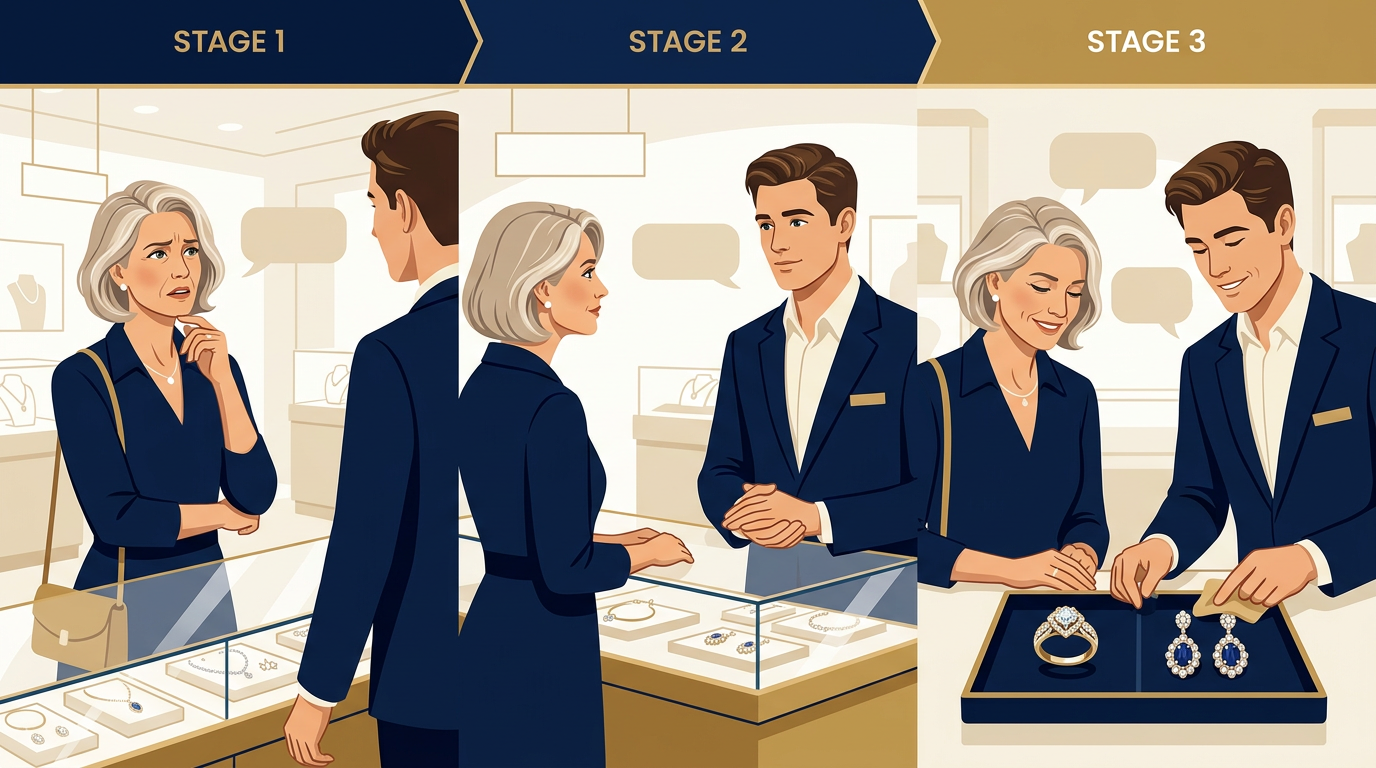
A young professional is seated at your diamond consultation island. You have presented a beautiful 1.75-carat round brilliant solitaire in an 18-karat white gold cathedral mounting. The price on the tag is $11,800.
While you are explaining the setting, the client pulls out his smartphone. He taps on a major discount diamond website, filters for 1.75 carats, F color, VS2 clarity, and Triple Excellent cut.
He holds the glowing screen three inches from your face:
“Look right here. Same exact 4Cs: 1.75 carats, F, VS2, GIA certified. This site has it for $8,600. Why on earth would I pay you thirty-two hundred dollars more for the exact same diamond?”
To an insecure or untrained sales associate, this is an agonizing moment. Novice associates typically react in one of three disastrous ways:
1. They Attack the Internet: “Those online sites sell junk and rejects. You can’t trust anything you buy on the internet.” (Disparaging online retailers makes the associate look defensive, uninformed, and bitter. The client has bought laptops, clothes, and vacations online for a decade without issue; telling him the internet is a scam insults his intelligence).
2. They Panic and Cave on Price: “Well… let me talk to my manager and see if we can match that price.” (Matching an algorithm’s wholesale drop-ship margin destroys the store’s profitability and confirms the client’s suspicion that the original retail price was a markup gouge).
3. They Treat the Client Like an Adversary: The associate’s body language freezes, arms cross, and the appointment turns cold and hostile.
Master client advisors do not fear the smartphone. They welcome it.
An educated consumer who has researched the 4Cs online is ten times closer to buying than a disengaged browser. When a client pulls out an online price, they aren’t rejecting you, they are simply asking you to justify the difference between a two-dimensional piece of paper and a three-dimensional living gemstone.
—
The Core Gemological Truth: The Report Is a Blueprint, Not a Portrait
The fundamental flaw in online diamond shopping is the mistaken belief that a GIA grading report is a certificate of beauty.
It is not. A GIA grading report is a census of physical boundaries.
Two diamonds can possess identical GIA certificates, both graded 1.75ct, F color, VS2 clarity, Triple Excellent, and yet, when placed side by side under natural daylight:
– Stone A explodes with scintillating white brilliance, vivid rainbow dispersion, and crisp facet contrast.
– Stone B appears lifeless, dark in the center, hazy, or displays an unappealing grayish tint.
Why? Because a grading report documents categories, not visual soul.
“`
WHAT THE ONLINE REPORT MEASURES WHAT THE REPORT CANNOT SHOW YOU
Weight (to 0.01 ct) —–> Microscopic strain patterns & haziness
Color category (F letter range) —–> Brown, green, or gray undertones
Clarity grade (VS2 threshold) —–> Inclusion location, opacity, & reflectivity
Facet symmetry measurements —–> Real-world light output & scintillation pattern
“`
An algorithm can only filter for numbers. Human eyes evaluate light.
—
The Four Pillars of the Physical Salon Advantage
When answering the showrooming challenge, ground your presentation in the Four Pillars of Physical Value:
“`
[ PILLAR 1: OPTICAL REALITY ] –> Real-world fire vs. 2D certificate categories
▼
[ PILLAR 2: TACTILE ERGONOMICS ] –> Comfort-fit shanks, prong security, hand balance
▼
[ PILLAR 3: IMMEDIATE PROVENANCE ] –> Zero transit risk, no porch pirates, instant possession
▼
[ PILLAR 4: LOCAL BENCH COVENANT ] –> Lifetime custodial care, master jeweler on site
“`
—
Pillar 1: Optical Reality (The “B-Grade” Online Trap)
The diamond market is an ultra-efficient global wholesale commodity system. Cutters in Antwerp, Mumbai, Tel Aviv, and New York know the market value of every stone down to the single dollar.
If a diamond is priced 25% below market on an online aggregator, there is always a physical reason why.
Wholesale dealers use major consumer e-commerce platforms as clearance clearinghouses for stones that brick-and-mortar jewelers reject upon physical loupe inspection:
1. The “Milky” Cloud Defect
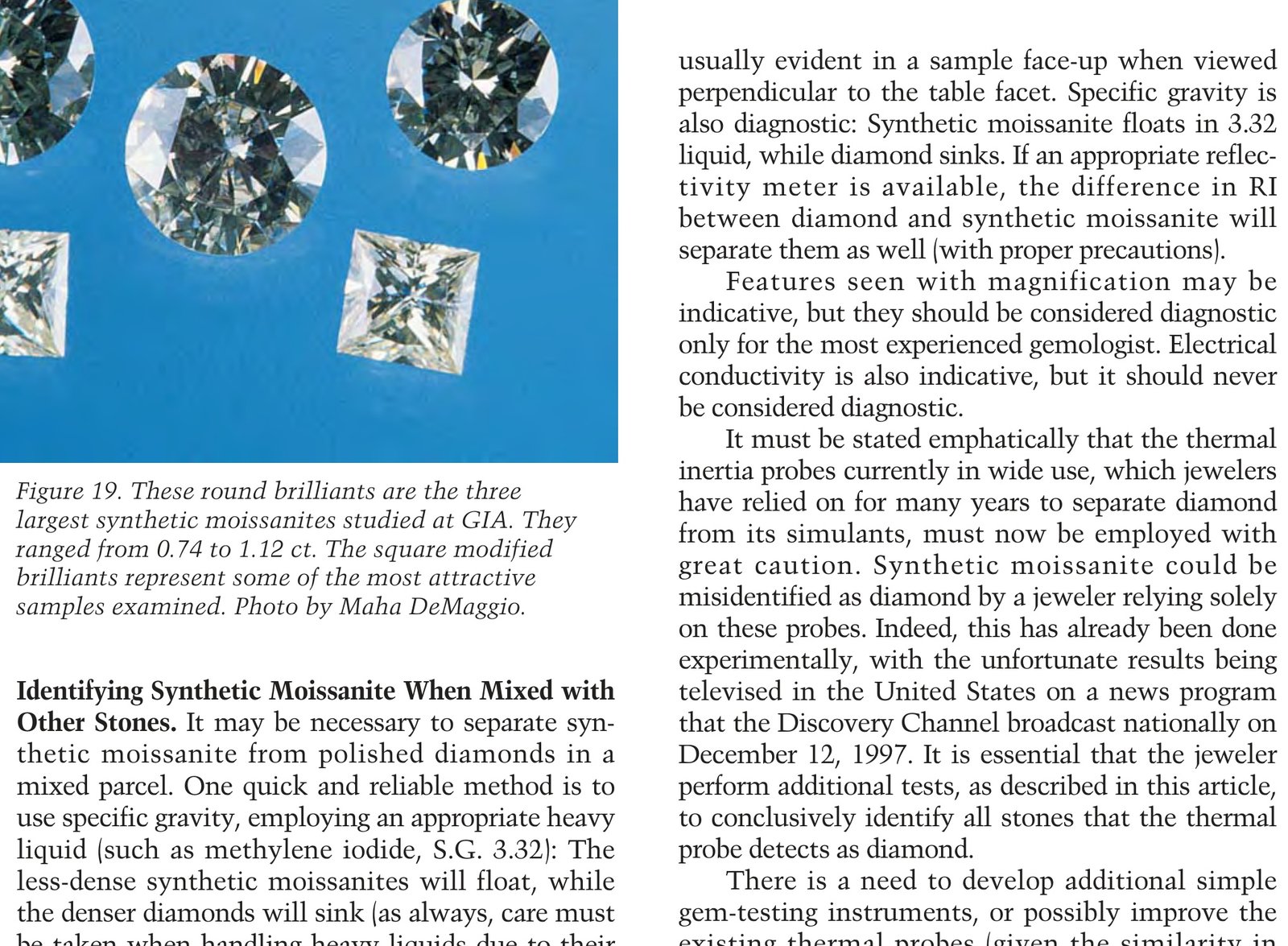
A diamond can receive a VS2 or SI1 clarity grade based on “clarity grade based on clouds not shown.” To a novice online buyer, “clouds not shown” sounds benign. In physical reality, sub-microscopic particulate inclusions throughout the stone scatter light internally, creating a permanently greasy, sleepwalking stone that never sparkles, even when freshly steamed.
2. Brown, Green, or Gray Undertones
GIA D-to-Z color grading measures yellow saturation. A diamond with a faint brown, oily green, or dead gray undertone will still be awarded an “F” or “G” color grade on paper. Online, it looks like a bargain; on her finger, it looks like frozen dishwater.
3. Laser Inscription Girdle Damage & Reflective Carbon
A dark black inclusion positioned directly beneath the table facet will bounce off every pavilion facet, creating six dark reflections inside the stone. An online certificate shows a tiny plot dot; in person, it looks like a piece of pepper trapped in ice.
The Master Script: The Blueprint Analogy
Associate: “I am so glad you pulled that up, Marcus. That tells me you’ve done your homework, and I respect that enormously.
>
Let me share something that every master diamond cutter knows: a GIA report is a blueprint of a diamond; it is not a photograph.
>
Imagine looking at two architectural blueprints for two homes. Both blueprints have the exact same square footage, four bedrooms, and two stories. But one home was built with solid cedar and hand-cut stone, while the other was slapped together with particle board and cheap drywall. On paper, they look identical. But when you walk inside, you instantly feel the difference.
>
Diamonds are identical. Online algorithms buy paper. We buy light. Look at this stone through the loupe, and let me show you why our cutters rejected twenty stones before selecting this one for our showroom.”
—
Pillar 2: Tactile Ergonomics & The Daily Wear Test
Fine jewelry is not a flat image on an iPhone screen. It is an ergonomic sculpture that lives on the human body through decades of movement.
An online CAD rendering can never answer the critical questions of daily physical wear:
– Knuckle Spin: Does the head of the ring tip sideways because the center stone is poorly counterbalanced against the shank?
– Prong Catching: Are the prongs machine-stamped with sharp edges that will snag on cashmere sweaters, knitwear, and silk scarves?
– Finger Friction: Is the underside of the band hollowed out with sharp edges to save metal cost, causing blisters after eight hours of wear?
The Master Script: The Touch Test
Associate: *”Slide this ring on your finger and close your hand into a fist. Notice how smooth that inner bezel feels? That is an authentic hand-finished comfort-fit shank.
>
When you buy a mass-produced setting from an online drop-shipper, they cut gold weight out of the inner band to hit that discounted price. It looks fine in a 3D digital rendering, but after three weeks of daily wear, those sharp hollowed edges dig into your fingers. You can’t feel metal on a computer screen.”
—
Pillar 3: Immediate Provenance & Risk Elimination
Online high-ticket purchases carry substantial hidden logistical friction that consumers underestimate until something goes wrong:
| The Online Reality | The Physical Salon Reality |
|—|—|
| Waiting 3 to 5 weeks for outsourced third-party assembly. | Instant possession today: Walk out with the ring in hand. |
| Porch pirate theft risk and missed signature deliveries. | Private security salon: Safe, insured, and dignified handover. |
| Transferring thousands of dollars via wire to an anonymous website. | Verified local business: Face-to-face accountability. |
| Inconvenient return shipping, re-stocking fees, and insurance limits. | 30-day effortless exchange privilege right across the counter. |
The Master Script: The Peace of Mind Bridge
Associate: “When you celebrate a milestone this significant, the experience should be joyful, not stressful. You don’t have to wait three weeks watching a FedEx tracking number, wondering if an uninsured porch package will get stolen, or dealing with an offshore call center if a prong is loose. You hold the exact ring in your hands right now. You know exactly what you are getting.”
—

Pillar 4: The Local Bench Covenant
The greatest competitive advantage of an independent fine jeweler is the In-House Master Bench Jeweler.
Online websites do not have workshops. They are marketing engines that broker diamonds from overseas cutters and drop-ship settings from contract assembly factories. If a customer needs a ring sized down two days before a wedding, an online retailer will instruct them to mail the ring across the country and wait three to four weeks.
Your showroom offers an enduring Custodial Relationship:
– Custom sizing completed in-house within 48 hours.
– Free lifetime ultrasonic cleanings and steam treatments while the client waits.
– Annual master jeweler prong inspections and safety checks.
– Immediate rhodium plating for anniversary touch-ups.
– Immediate written insurance appraisals with in-house photography.
The Math of the Bench Covenant:
Explain the tangible dollar value of lifetime maintenance:
– Sizing: $85 × 2 = $170
– Rhodium dips: $75/year × 10 years = $750
– Annual prong inspection & re-tipping: $350
– Insured appraisal & updates: $150 × 3 = $450
– Total Lifetime Service Value: $1,720+
When factored in, the “price gap” between the online algorithm and your full-service salon completely vanishes.
—
The Side-by-Side Optical Challenge
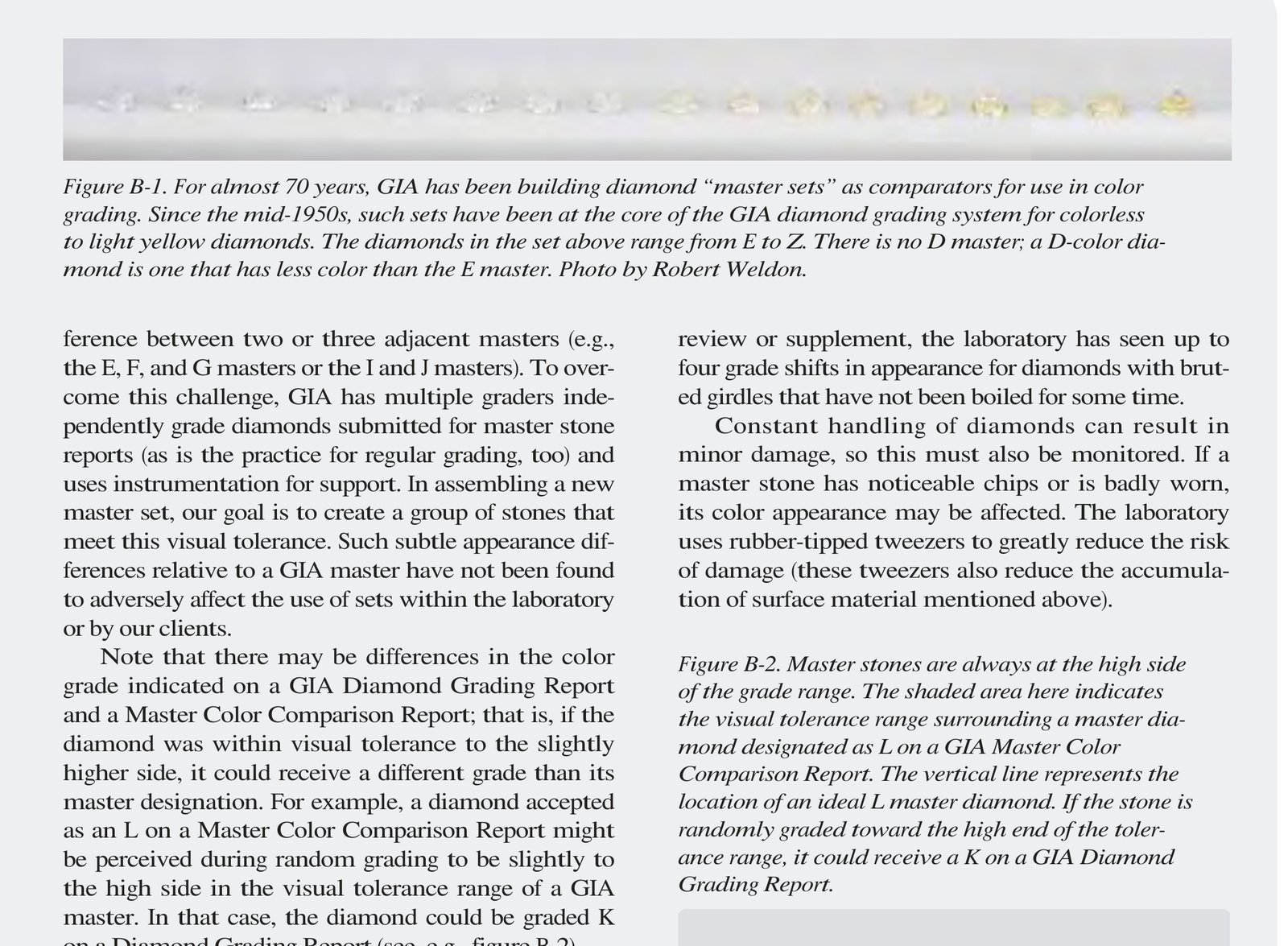
If a customer remains skeptical about online pricing, invite them to conduct the Side-by-Side Optical Challenge:
Associate: “Marcus, I want you to make the absolute best decision for yourself and Sarah. Here is what I propose:
>
Go ahead and order that stone online. Many of them offer a 30-day inspection period. Have them ship it to you. When it arrives, do not propose yet.
>
*Bring that stone into our salon. We will put that stone on this exact black velvet tray next to this one, beneath our daylight lamps and under our 10x gemological microscope.
>
If that stone matches the fire, cut precision, and life of this diamond, I will personally shake your hand and mount it for you in our workshop. But if you see that it appears hazy, dark, or lifeless compared to this diamond, you can return it to them and secure the stone you know is breathtaking.
>
How does that sound?”
Why the Challenge Wins:
– It communicates 100% supreme confidence in your inventory.
– It removes all adversarial resistance.
– In over 85% of cases, the client declines the hassle of ordering online and buys your stone on the spot, because they realize they don’t want to risk buying a defective stone.
—
Summary Matrix: Showrooming Defense Playbook
| Online Competitor Feature | The Hidden Online Flaw | Master Counter Counter-Move |
|—|—|—|
| “Lower price on the exact same 4Cs” | B-grade rejects: milky clouds, brown undertone, poor facet contrast | Use the Blueprint Analogy: “GIA reports document boundaries, not beauty. We buy light, not paper.” |
| “Huge virtual inventory of 100,000 stones” | Virtual drop-ship list; retailer has never physically inspected the stone | “Anyone can list 100,000 certificates on a server. We curate the top 1% physically so you never buy an optical dud.” |
| “Free shipping to your home” | Delivery stress, signature hassles, transit theft risk | “Walk out of our boutique with the ring securely in hand today with zero delivery anxiety.” |
| “30-day return policy” | Tedious return shipping, insurance deductibles, delayed refunds | “We are right here on Main Street. If she wants a different mounting, she walks in and works with our master jeweler directly.” |
—
7-Day Floor Implementation Plan
– Day 1 (The Non-Defensive Reset): Practice your initial reaction to a smartphone. Smile, lean in with interest, and validate their research.
– Day 2 (Mastering the Blueprint Script): Deliver the “GIA report is a blueprint, not a portrait” analogy to a colleague until you can recite it with effortless gravitas.
– Day 3 (The Ergonomic Fist Test): Guide at least two clients to close their hand into a fist to feel the comfort-fit weight of your mountings.
– Day 4 (The Bench Math Breakdown): Calculate and memorize your store’s exact lifetime service costs (free sizing, lifetime cleaning, rhodium plating) to demonstrate tangible dollar value.
– Day 5 (The Loupe Contrast Drill): Show a client how an eye-clean VS2 with clean facet junctions differs from a stone with cloud-based light suppression.
– Day 6 (The Optical Challenge Invitation): Offer the Side-by-Side Optical Challenge to an undecided client comparing online options.
– Day 7 (Weekly Showrooming Review): Review any showrooming encounters from the week with your team. Which pillar of value resonated most with the client?
—
Module Self-Check
Test your command of showrooming defense before progressing to Module 8:
1. What are the three fatal mistakes sales associates make when a client pulls out an online competitor’s price on their phone?
2. Why is an online price comparison a sign of customer buying intent rather than a rejection?
3. Explain the Blueprint vs. Portrait analogy used to explain GIA grading reports.
4. List two optical defects that can degrade a diamond’s visual brilliance without lowering its GIA 4Cs grade on paper.
5. Why do wholesale diamond cutters frequently liquidate “milky” or brownish stones through online discount aggregators?
6. Name the Four Pillars of the Physical Salon Advantage.
7. How does the Daily Wear / Ergonomic Test expose the flaws of cheap, mass-produced online mountings?
8. What is the Local Bench Covenant, and how does calculating its lifetime service value neutralize an online price gap?
9. Explain the psychological power of offering the Side-by-Side Optical Challenge.
10. How should an associate respond if a customer says: “Why should I pay your store overhead when I can buy from a warehouse online?”
—
Authoritative References & Further Reading
– Gemological Institute of America (GIA): Reinitz et al. (2001) & Moses et al. (2004). Research on diamond cut modeling, light dispersion, and the limitations of 2D grading metrics.
– INSTORE Magazine: Winning the Showrooming War: How Brick-and-Mortar Jewelers Beat the Internet Every Day.
– Jewelers of America (JA): The Local Jeweler Advantage: Consumer Trust, In-House Bench Service, and Craftsmanship Standards.
– American Gem Society (AGS): Performance-Based Cut Grading vs. Standard Two-Dimensional Proportions.
– Federal Trade Commission (FTC): Guides for the Jewelry, Precious Metals, and Pewter Industries (16 CFR Part 23).
—
Media Credits & External Links
– [GIA Gem Encyclopedia: Diamond Cut & Scintillation](https://www.gia.edu/gem-encyclopedia)
– [INSTORE Magazine: Showrooming Defense Tactics](https://instoremag.com/)
– [The Jewelers Playbook: Video Masterclass on Beating Online Diamond Discounters](https://www.youtube.com/@TheJewelersPlaybook)